

Last Updated on September 16, 2026 by
Alternative to Meds Editorial Team
Medically Reviewed by ATMC Clinical Review Team
Table of Contents:
At Alternative to Meds Center, ways of Paxil addiction help have been discovered which greatly alleviate the withdrawal symptoms and makes this process easier.
How Hard Is It to Conquer Paxil Addiction?
 Once a person has developed a Paxil addiction, it can be one of the most troubling processes to get off of the medication because it can be nearly impossible to endure Paxil withdrawal symptoms. We are aware of solutions to avoid living the rest of life medicated or addicted to antidepressant prescription medications and suffering nearly continual withdrawals.
After long-term and/or high dosage use of this antidepressant medication, Paxil dependency may form. As with other addictions, physical Paxil dependence forms and if consumption of the drug is stopped, withdrawal symptoms may emerge. Furthermore, Paxil belongs to a class of medications called selective serotonin reuptake inhibitors (SSRIs), and today it is one of the most frequently prescribed antidepressant medications. However, it is also one of the antidepressant drugs that may cause the most side effects. The drug is a very addictive one. It may be so addictive that users of this medication start to feel Paxil withdrawal symptoms as fast as a few hours upon the drug exiting the human body system.
About Paxil’s Popularity
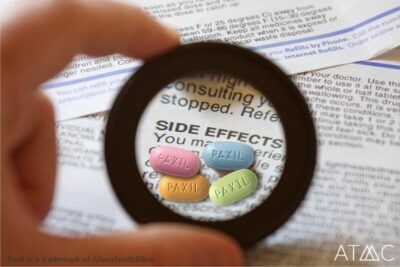 In 1992, Paxil was introduced to the market. Since its introduction, thousands of patients have been prescribed this drug for various mental conditions and have developed problems that led to the need for Paxil addiction or dependence treatment. The commercials seen on television for Paroxetine do not mention this and even downplay the horrific side effects. Many doctors and pharmacies may tell patients the same thing, that antidepressants are not addictive. Contrary to this belief, many patients find it very difficult to quit using Paxil and other antidepressant drugs. Even with a slow reduction of dosage and tapering off of Paxil addiction, many patients have reported complaints of diarrhea, intense stomach pain, migraines, intense anger, extreme anxiety, and feelings of electrical zapping moving the head or eyes.
These symptoms that occur when ending Paxil dependence are often written off as merely withdrawal syndrome or some kind of temporary illness due to discontinuation of the drug. But the truth is that many people have suffered injury, harm or loss resulting from antidepressant side effects and claim that they were never told or properly informed about the medication’s potential harms. There are a number of Paxil side effects 1 and some are more serious than others. One of these is its characteristic development of dependence and tolerance, where the drug stops working as it once did.
How Does Paxil Addiction and Dependence Develop?
Even though most people do not have the intention of becoming addicted to it, when all of the characteristics of Paxil addiction drug dependence are compared with an addiction to heroin or cocaine, there are more similarities than differences. Long-term use often causes a physical and mental dependence to develop upon the drug. A tolerance to the antidepressant is often acquired, and users of this drug may not be able to function properly without it. An individual may experience pain from antidepressant withdrawal symptoms when even one dose is missed. Paxil abuse may develop with an individual over long-term use, where the individual no longer feels the same effects from the drug at the same dosage they have been taking, often leading to an increase in dosage in order to achieve the desired effects.2
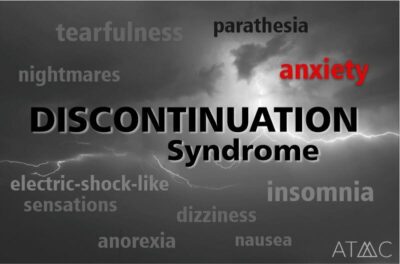 Many people use this medication or Paxil alternatives for the rest of their lives. This is often easier than confronting the fact that they may need Paxil addiction help in order to be free of addiction. However, overcoming antidepressant addiction (also termed antidepressant discontinuation syndrome 6 ) and getting through withdrawal can be made easier than many people may think. The use of any prescription medication should never be stopped without talking to a doctor first. With the help of a medical professional, addiction and the process of withdrawal and recovery can be made much more manageable. Patients should not think that antidepressant addiction is any different from other addictions just because it is prescribed by a doctor. Paroxetine addiction should be taken seriously and if you think you have an addiction to this medication, please seek Paxil rehab immediately.
Does Paxil Cure Depression?
Most people are prescribed an antidepressant prior to any adequate investigative efforts being put towards finding why they are depressed. There can be many contributors to depression, and typically none are checked for before pulling out the prescription pad.3
There is evidence (mice and rat studies 4,5 ) to suggest that antidepressants can create a real serotonin deficit, as well as other deficits. The selective serotonin reuptake inhibitors (SSRIs) and selective norepinephrine reuptake inhibitors (SNRIs) don’t create any new serotonin or norepinephrine. These drugs block reuptake. The suspended natural neurochemicals then degrade and are lost. It is a similar process to the way cocaine only creates a high for a short period of time. Cocaine wastes all of the dopamine and doesn’t create it.
Find Out More About Overcoming Paxil Addiction, Tolerance, and Dependence Treatment
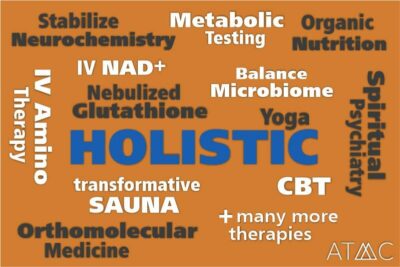 Alternative to Meds Center identifies the medical causes of why a person may suffer from depression and helps people to limit or eliminate their dependency on antidepressant medications. Our program includes the use of lab testing, natural substances that will stabilize the neurochemistry, processes to rid accumulated neurotoxins from the environment, careful medication withdrawal methods, amino therapies and other nutritional therapy, personal exercise training, yoga, massage, peer support, and many other therapies to actually address depression and offer successful Paxil addiction treatment. We invite you to give us a call and chat with us, find out more about the kind of Paxil addiction help available for you or your loved one.
for Paxil Addiction Help
1. Foster RH, Goa KL. Paroxetine : a review of its pharmacology and therapeutic potential in the management of panic disorder. CNS Drugs. 1997 Aug;8(2):163-88. doi: 10.2165/00023210-199708020-00010. PMID: 23338224. [cited 2026 April 24]
2. Hall-Flavin D MD, “Antidepressants – Can They Stop Working?” Mayo Clinic patient information portal, published online [cited 2026 April 24]
3. “What Causes Depression – Onset of Depression More Complex Than a brain chemical imbalance?” Harvard Health Publication, published 2019 Jun 24 INTERNET [cited 2026 April 24]
4. Siesser WB, Sachs BD, Ramsey AJ, et al. Chronic SSRI treatment exacerbates serotonin deficiency in humanized Tph2 mutant mice. ACS Chem Neurosci. 2013;4(1):84-88. doi:10.1021/cn300127h. [cited 2026 April 24]
5. Luo Q, et al., Comparable roles for serotonin in rats and humans… published by the American College of Neuropsychopharmacology in 2023 Nature Journal [cited 2026 April 24]
6. Warner CH, Bobo W, Warner C, Reid S, Rachal J Antidepressant Discontinuation Syndrome, Am Fam Physician, 2006 Aug 1;74(3):449-56. [cited 2026 April 24]
Originally Published by Diane Ridaeus Published Nov 4, 2019

ATMC Clinical Review Team
The ATMC Clinical Review Team includes licensed physicians and experienced healthcare professionals dedicated to ensuring the accuracy, quality, and integrity of our medical content. The team reviews articles for clinical accuracy, evidence-based guidance, and relevance while supporting Alternative to Meds Center’s whole-person approach to mental health, recovery, and long-term wellness.

Diane is an avid supporter and researcher of natural mental health strategies. Diane received her medical writing and science communication certification through Stanford University and has published over 3 million words on the topics of holistic health, addiction, recovery, and alternative medicine. She has proudly worked with the Alternative to Meds Center since its inception and is grateful for the opportunity to help the founding members develop this world-class center that has helped so many thousands regain natural mental health.