Private, confidential help is available
 Call Now
 Private, confidential help is available
Call Now Our story
Located in beautiful Sedona, our residential treatment center offers a private, restorative setting for people looking to step away from daily pressures and focus on healing.

A setting designed around the person
Alternative to Meds Center provides residential, holistic care for people navigating mental health conditions, secondary addictions, co-occurring disorders, and questions about long-term psychiatric medication use.
Our approach recognizes that each person’s history, physiology, goals, and response to care are different. Treatment planning is individualized and may bring together medication tapering support, clinical care, nutrition, therapeutic work, and practical residential support.
The team works with a range of concerns, including depression, anxiety, trauma, post-traumatic stress disorder, attention deficit hyperactivity disorder, bipolar disorder, substance use, and related challenges.
The goal of the setting is to give residents time, structure, and support while they build a more stable path forward. Any medication changes are planned individually and should occur only under appropriate medical supervision.
Inside the residence
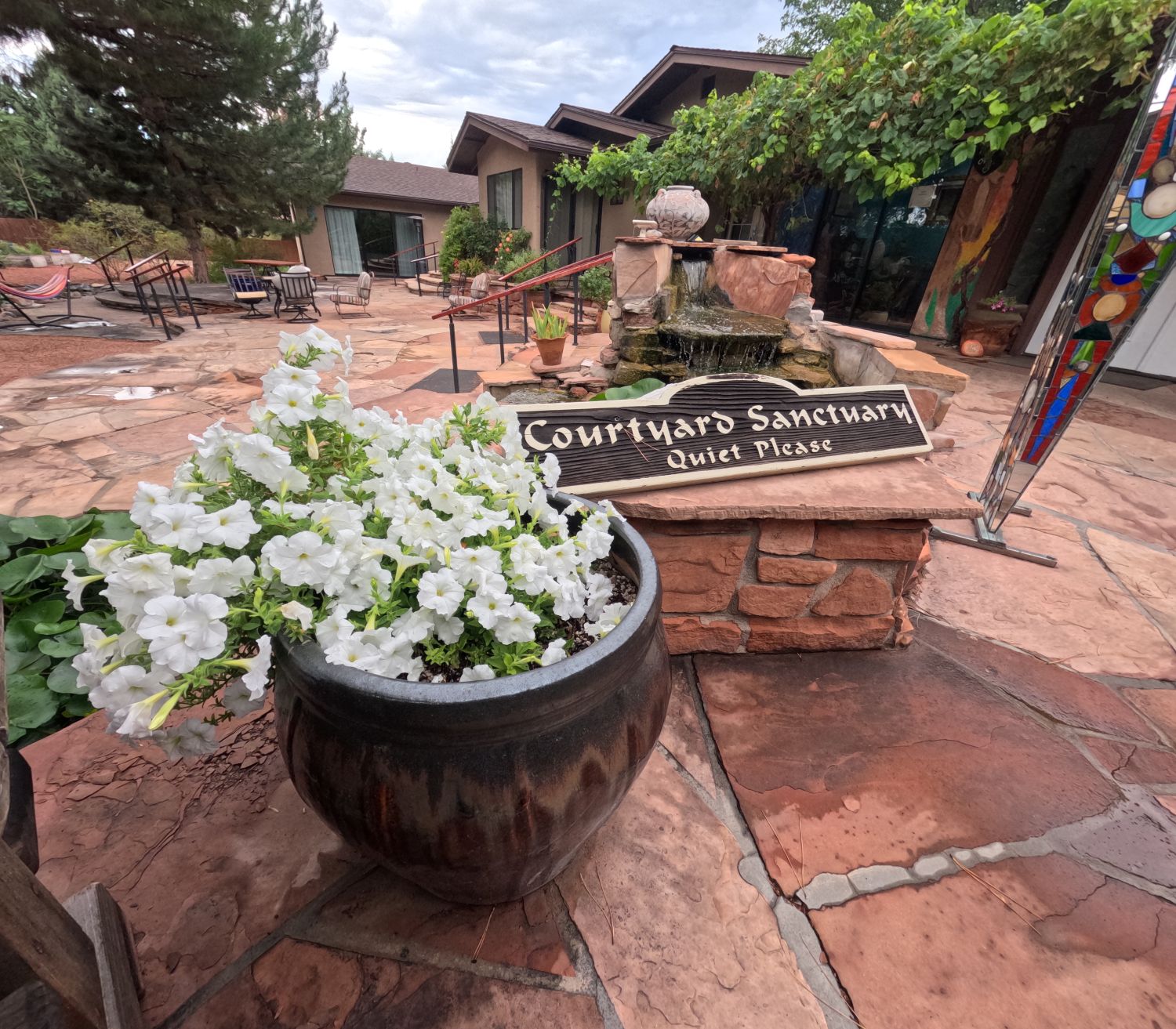
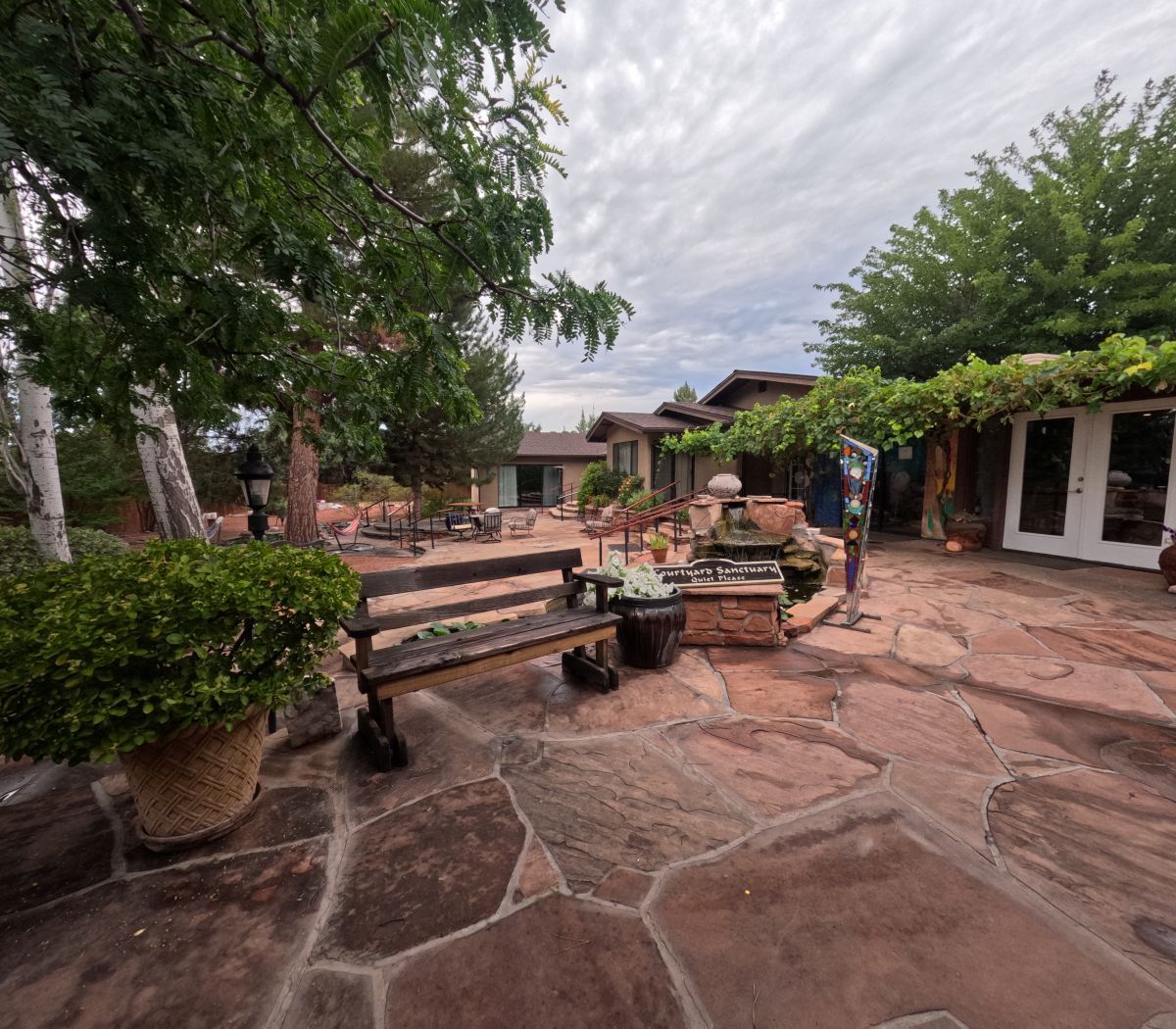
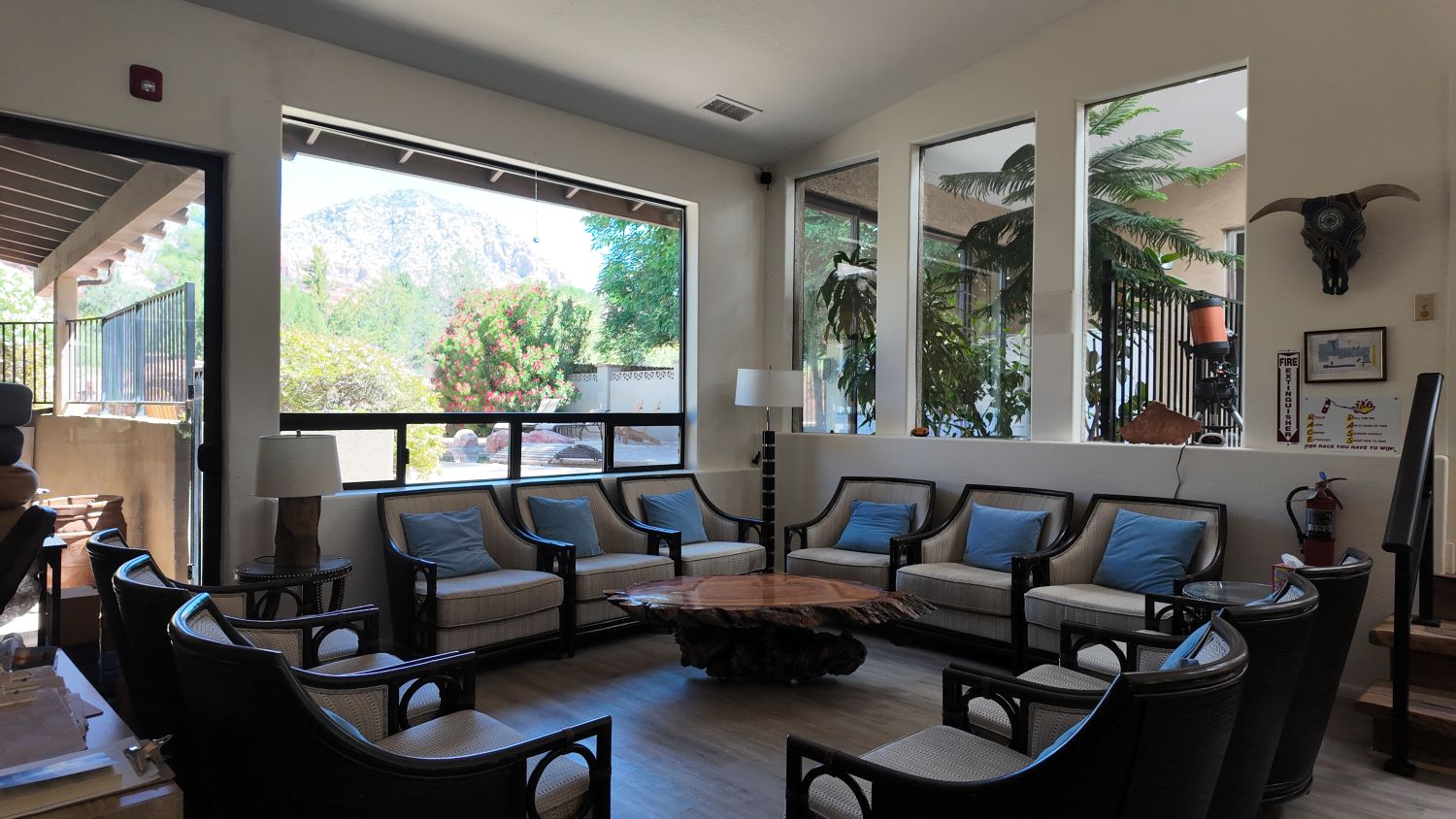
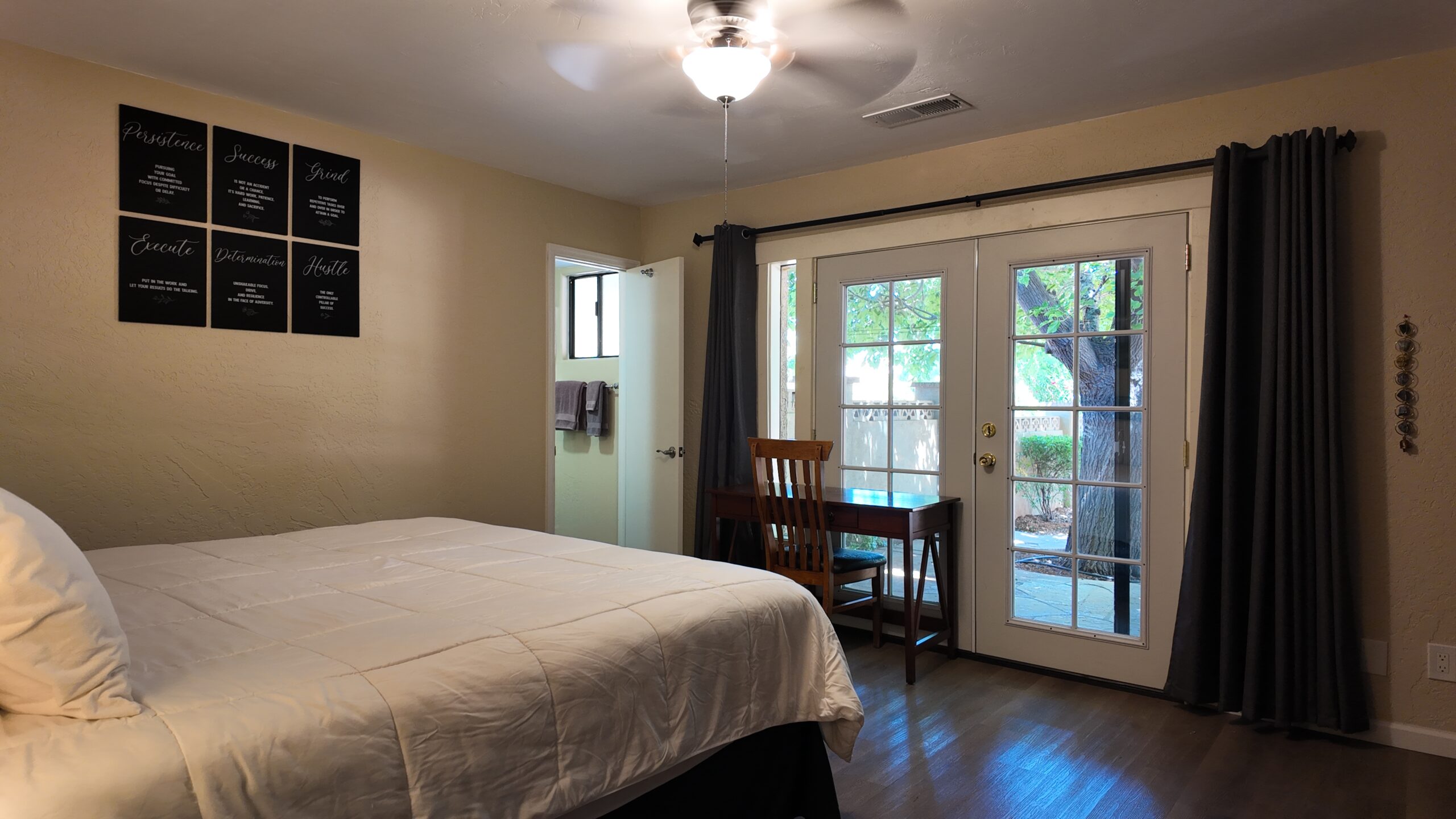
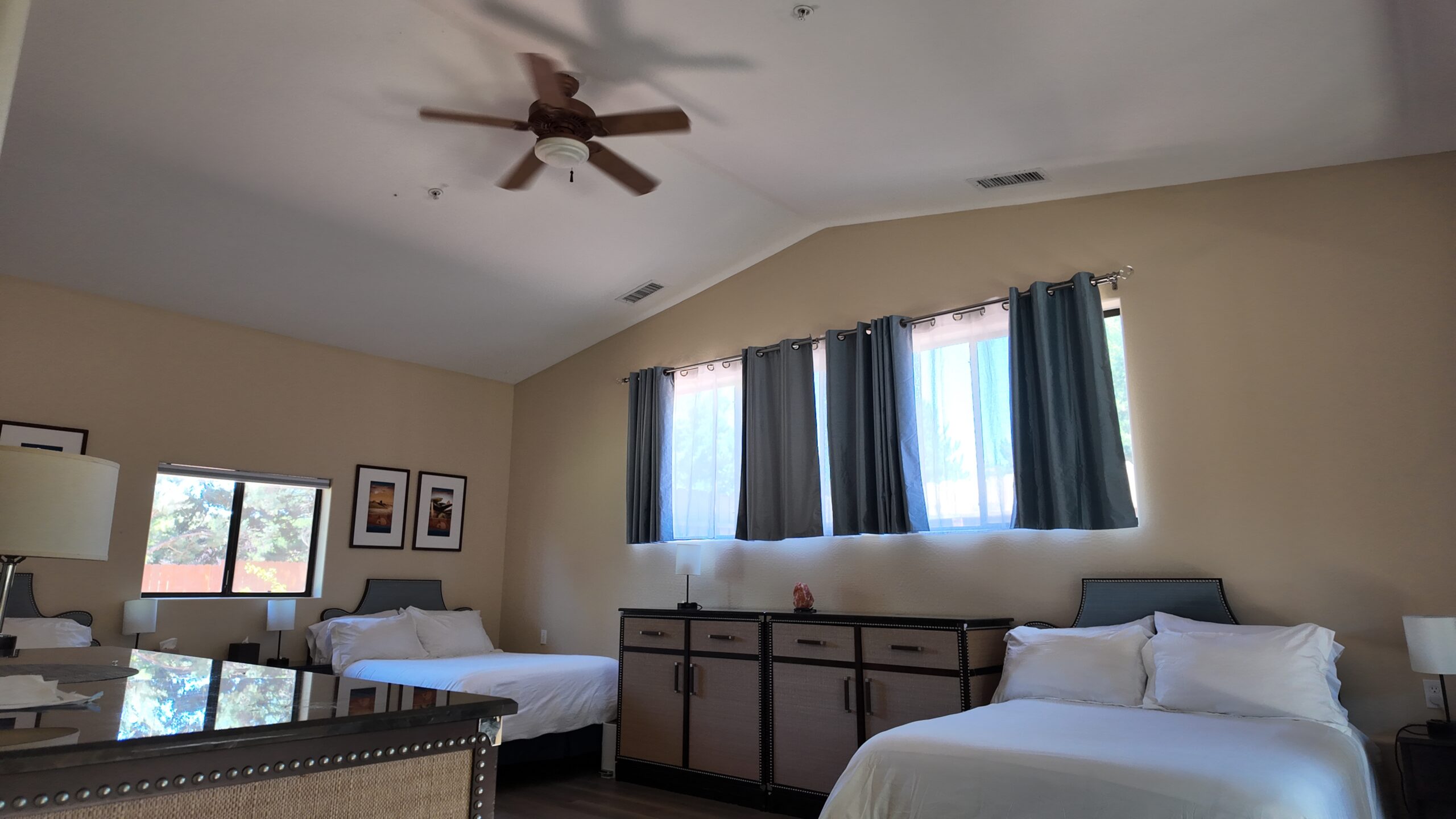
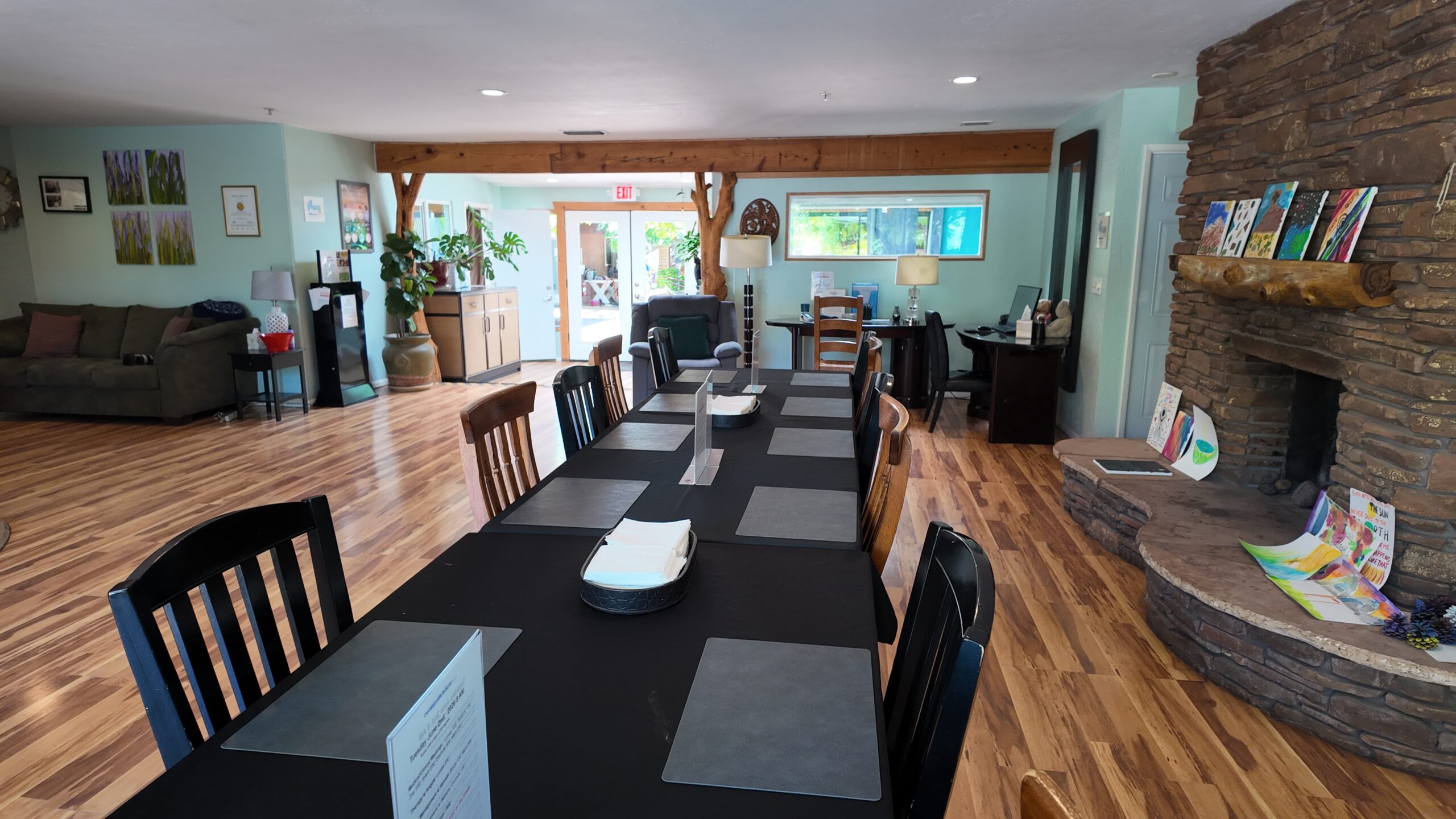
The residence is designed to feel peaceful and familiar rather than clinical. Indoor and outdoor spaces make room for rest, appointments, shared meals, gentle activity, conversation, and private reflection.
Accommodations include private and shared rooms, with daily housekeeping and access to landscaped outdoor areas. Admissions can explain current room availability, accessibility considerations, and what residents may bring.
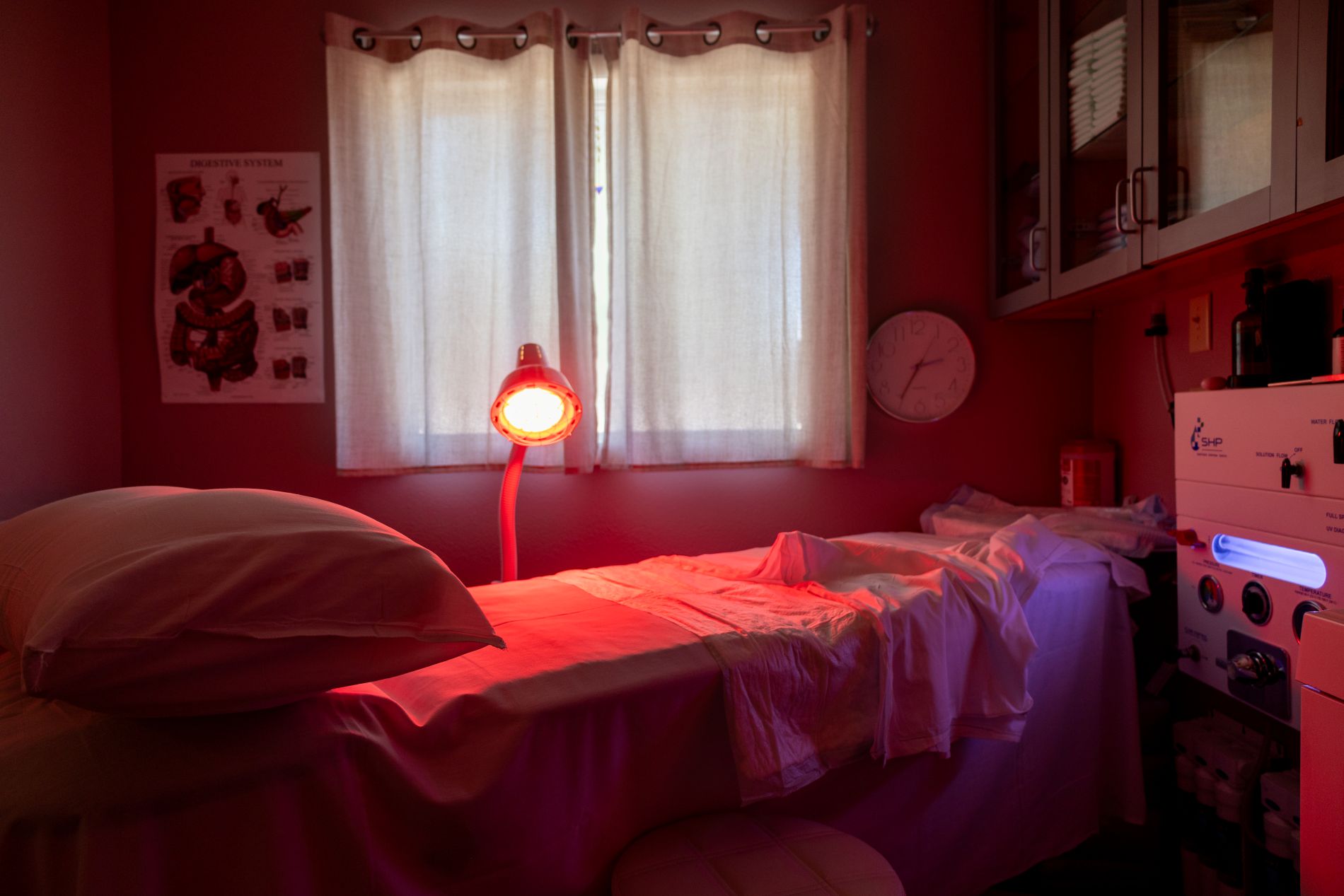
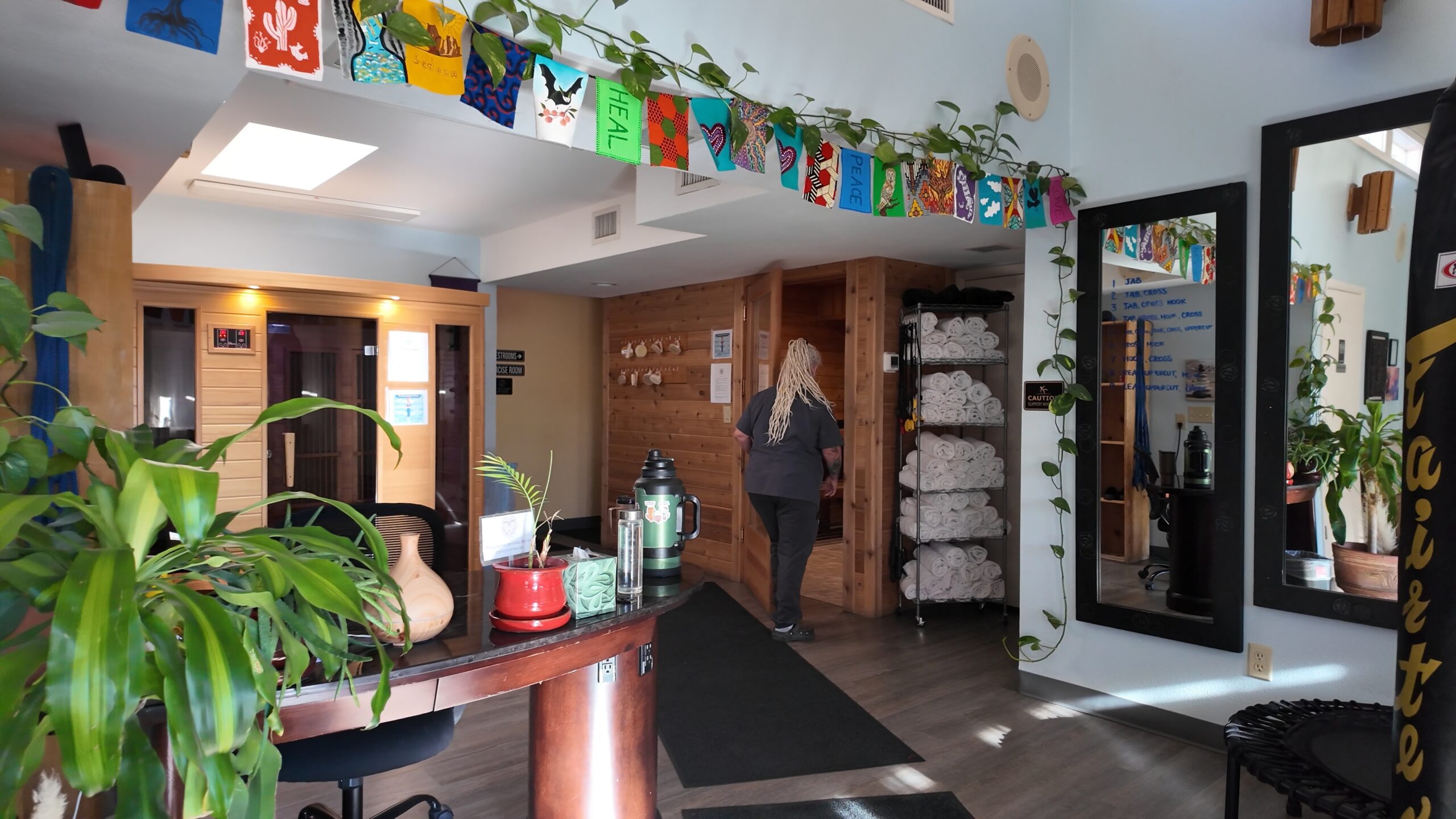
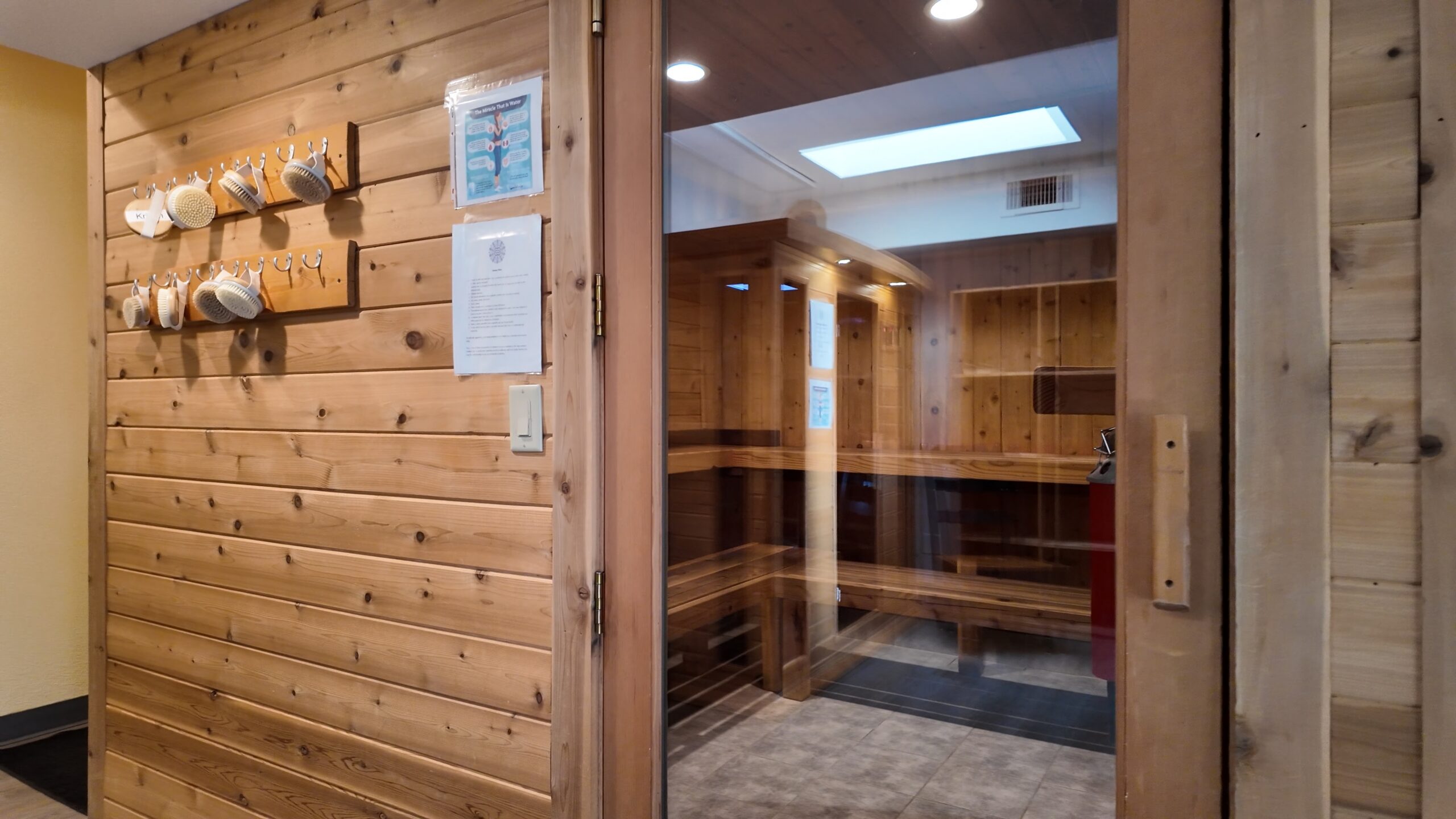
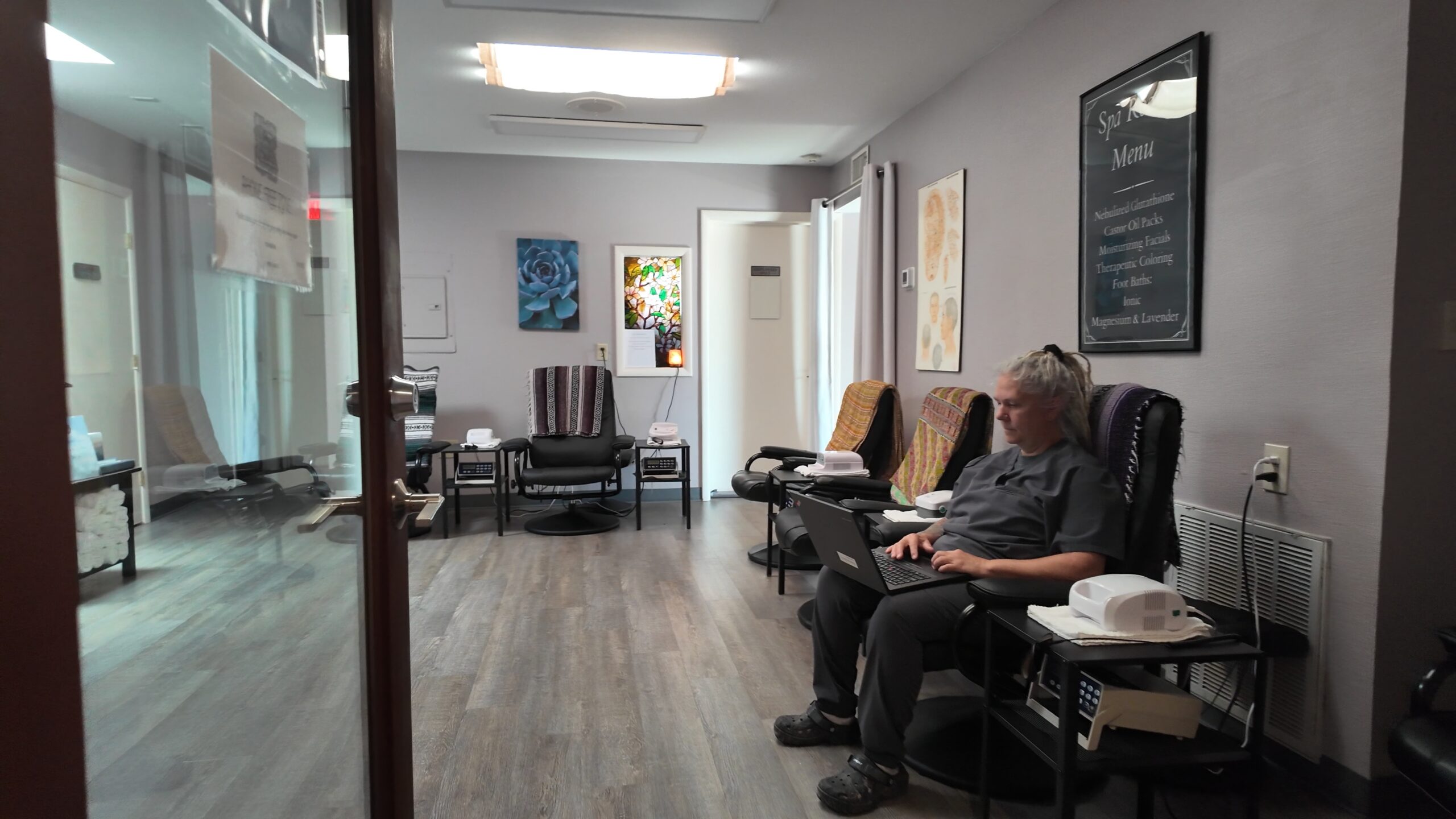
The Detox Shoppe provides a separate, calm environment for selected detoxification, wellness, and bodywork services that may be included in an individualized plan.
Program activities may combine nutrition and supplements with movement, skin brushing, individualized sauna use, and other services intended to support comfort and overall wellness.
Depending on clinical appropriateness and the resident’s plan, supportive services may include ionic foot baths, castor oil packs, clay applications, therapeutic massage, acupuncture, or other bodywork. These services complement medical and therapeutic care; they do not replace it.
01
02
03
Support beyond appointments
Addressing difficult emotions, long-standing patterns, medication concerns, or substance use can be demanding. The residential environment is intended to make that work more manageable through consistency, privacy, nourishment, and restorative time.
Residents arrive with different histories and after different treatment experiences. A welcoming setting, regular meals, opportunities for connection, and access to supportive services can help establish a sense of possibility from the beginning.
Admissions can discuss dietary considerations, accessibility needs, what to bring, current room availability, and which amenities may be appropriate for an individual plan.
What the setting supports
The residential setting allows clinical, therapeutic, nutritional, and practical support to work together while the team observes how each person responds over time.
Safe, supervised medication withdrawal requires more than a schedule. The program considers medication history, current symptoms, physiology, nutrition, sleep, stress, and the resident’s response at each stage.
Supportive methods are coordinated to help residents move through the process as comfortably and carefully as possible. The pace and details of any taper remain individualized.
People may be drawn to different substances for different biological, psychological, and environmental reasons. The program looks beyond a single “drug of choice” to understand the patterns and contributors involved for that individual.
By examining nutrition, mood, sleep, stress, health history, cravings, and co-occurring concerns, the team can build a more complete plan for interrupting repeated cycles of substance use.
Symptoms and medication side effects can be clues to a wider set of contributing factors. Rather than treating every concern as an isolated problem, the team considers medical, nutritional, genetic, lifestyle, and environmental context.
This broader assessment helps distinguish what requires immediate medical attention, what may be medication-related, and what additional support could be useful.