
Our philosophy · Sedona, Arizona
Medication can help. It is rarely the whole answer.
For nearly 20 years we have helped adults who feel stuck on psychiatric medications. We look for what is driving the symptoms, change medication only slowly and under daily medical supervision, and build skills that last after you go home.
Talk to admissions privately
Ask about insurance, timing, or whether residential care fits. We’ll call you back.

What we believe
Feeling better takes more than managing symptoms
Many people come to us after years on psychiatric medications, often several at once, still not feeling well. Some have had side effects that became hard to live with. Others simply want to know whether they still need everything they take.
Mood and anxiety are shaped by many things: sleep, nutrition, physical health, stress, trauma, substance use and the medications themselves. When those are looked at together, people often find more options than they knew they had.
That is the core of our philosophy. Look carefully, change medication slowly and safely, treat the whole person, and give people the understanding and skills to stay well.
“The goal is not a number of pills. It is feeling well and knowing how to stay well.”
Our principles
Six ideas behind every plan
What guides our medical team, therapists and staff.
Look for what is driving the symptoms
Sleep, nutrition, physical health, stress, substance use and the medications themselves can all affect mood and anxiety. We start by looking at all of them, including lab testing on admission.
Learn more →
Medication has a place
Psychiatric medication helps many people. Our goal is the right medication at the right dose for you, which for some residents means none, for some fewer, and for some staying on what works.
Learn more →
Change medication slowly
When a medication is reduced, our medical team plans each step and adjusts the pace to how you respond. The taper slows or pauses whenever symptoms rise.
Learn more →
Treat the whole person
Medical and psychiatric care, therapy, nutrition and supportive therapies work from one plan, not as separate add-ons.
Learn more →
Teach skills that last
Residents learn how sleep, food, stress and thinking patterns affect how they feel, so the progress made here can continue at home.
Learn more →
Be honest about results
We publish what our outcome survey found, including its limits, and we never promise a result. Every person responds differently.
Learn more →
How care works
Integrative care, one team
Conventional medicine and supportive therapies, planned together.
Lab testing and assessment
A full review of your history and medications, with lab testing on admission. Results guide nutrition and point to medical issues worth treating.
Prescriber-led tapering
Our psychiatrist and psychiatric nurse practitioner plan medication changes. Nurses monitor you daily, so the plan can change the same day if needed.
Nutrition and nutrient therapy
Whole-food meals made on site, and supplements where lab results show a deficiency. Orthomolecular and naturopathic care work alongside psychiatric care, not instead of it.
Counseling and therapy
Individual counseling and group therapy, including cognitive behavioral therapy (CBT) and dialectical behavior therapy (DBT), plus family involvement when you want it.
Supportive therapies
Massage, acupuncture, yoga, qigong, sauna, art and equine therapy, and time outdoors in Sedona, to help the body settle while medication changes.
Aftercare and coordination
Every resident leaves with a written aftercare plan, and with your permission we coordinate with your own prescriber at home.
We also offer therapeutic massage, acupuncture, yoga, hiking, qigong, art therapy, equine therapy, chelation, and more. See all alternative therapies.
Outcome study
What our 2018 follow-up survey found
An independent evaluator, Dr. Michael W. Corrigan of Marshall University, analyzed admission and discharge records and a follow-up survey sent to graduates who had been out of care for six months or more. His report is dated December 10, 2018.
Share of respondents off each type of medication at follow-up
Among respondents who came in taking that type of medication.
Individualized care
A plan that changes as you do
No two residents follow the same plan.
We get to know you
Your history, medications, goals and what you have already tried. Nothing is assumed from a diagnosis alone.
A plan built for you
Assessment and lab results shape the plan: what to treat first, whether and how to taper, and which therapies fit.
Adjusted as you change
The team reviews how you are doing every day and adjusts the plan, including slowing a taper whenever it is needed.
Leaving with a plan
You leave with an aftercare plan, the skills you practiced here, and a team that can coordinate with your doctors at home.


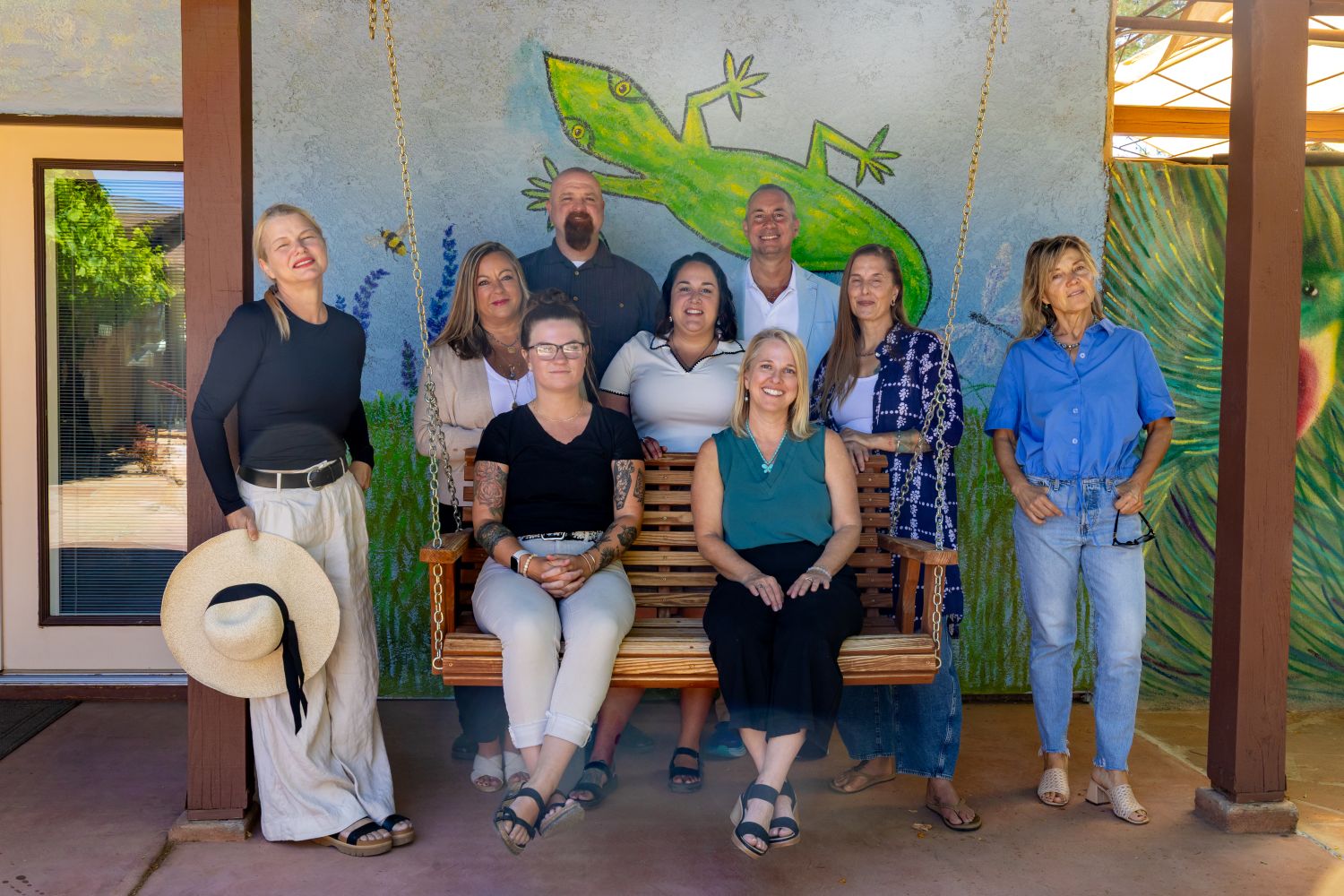
People who understand
Our program is staffed by medical professionals and licensed counselors who have helped people come off or reduce psychiatric medications for nearly 20 years.
Many residents arrive after trying to stop on their own. Here the pace is set with you, and every step forward is recognized.
Education
Understanding that goes home with you
Residents take part in more than 100 class modules taught by our clinicians, therapists and life-skills staff, plus recipes and nutrition guides to use after graduation. Topics include:
- How brain chemistry, sleep and stress affect mood
- How medications work, and why changes need medical care
- Nutrition and how diet supports well-being
- Supplements: when they help and when they don’t
- Reducing everyday environmental exposures
- Mindfulness, meditation, yoga and qigong
- Coping skills, communication and relapse prevention
- Life skills and building a fulfilling routine
Your care team
Led by experienced clinicians
Psychiatric and medical care is overseen by licensed professionals.
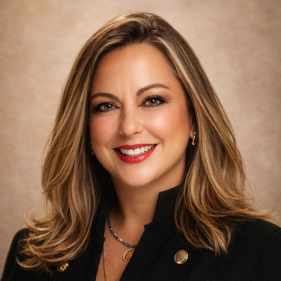
Kimberli Galloway, PMHNP-BC
Medical Director
Board-certified psychiatric nurse practitioner with 20+ years in behavioral health. Oversees psychiatric and medical care.
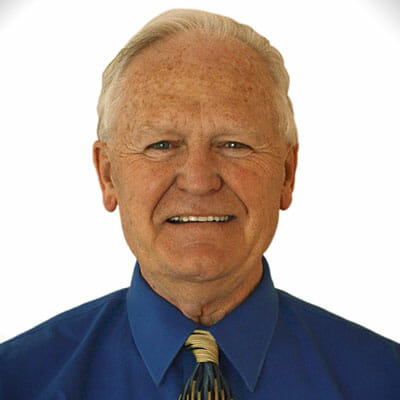
Dr. John Motl, MD
Psychiatrist
Board certified in Psychiatry by the American Board of Psychiatry and Neurology and licensed in Arizona.
Treatments
Explore the parts of the program
Learn more about ATMC and our programs.
Client stories
In their own words
Graduates describe what was different here.
“I finally have my life back and I will be forever thankful to the wonderful people of Alternative to Meds Center for helping to give it back to me.”A nurse, after Klonopin withdrawal →
“I have learned a lot about myself and I’ve gained valuable tools to manage anxiety.”Former client, Klonopin and Ativan →
“I attempted to get off these medications by myself for a number of months at home, but it was too difficult getting off Lorazepam on my own.”Former client, lorazepam and antidepressants →
Quotations from ATMC’s published client testimonials. Individual results vary. Read more stories.

Where you’d stay
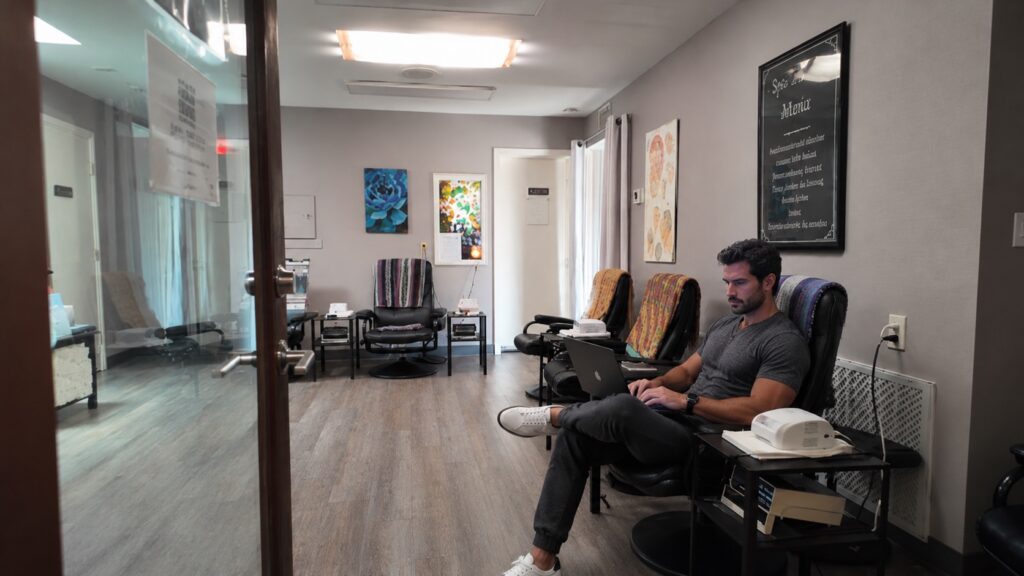
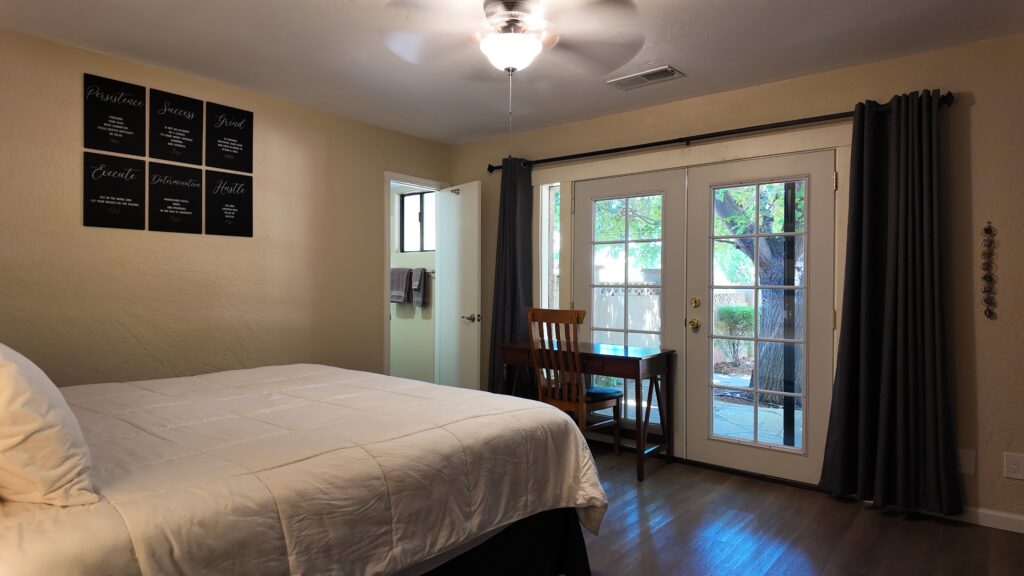
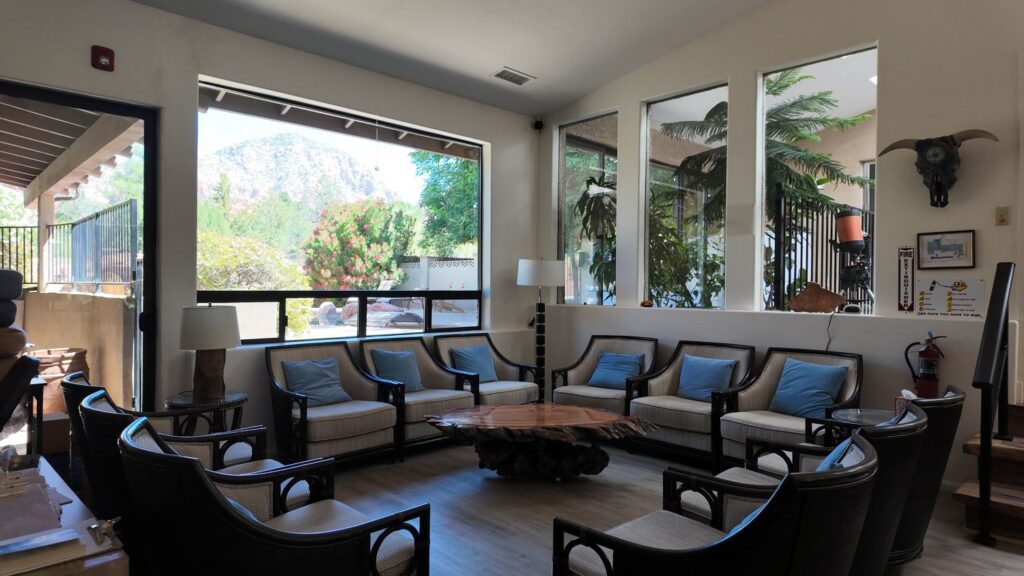
More like a spa than a rehab
Our Sedona residence offers the comforts of home in a calm, private setting. Healing is easier away from daily stress, among people who understand what you’re going through.

Questions
Frequently asked questions
Is ATMC against psychiatric medication?
No. Psychiatric medication helps many people. We help people who want to reduce or come off a medication do it safely, and some residents choose to stay on a medication that works for them.
Who decides how fast a medication is reduced?
Our psychiatrist and psychiatric nurse practitioner plan every taper with you. Nurses monitor you daily, and the pace slows or pauses whenever symptoms increase. We do not do rapid or fixed-schedule detox.
Are your holistic therapies a replacement for medical care?
No. Nutrition, supplements and supportive therapies are used alongside medical and psychiatric care, never instead of it. Supplements are guided by lab results.
What did your outcome study find?
In an independent 2018 follow-up survey of 103 graduates (34% response rate), 59.8% reported taking no psychiatric medication 6 to 47 months after discharge, and the average number of medications fell from 1.66 at admission to 0.63. Results are self-reported and individual results vary.
How is the plan personalized?
It starts with your history, goals and lab results, and the team adjusts it as you respond. Two residents on the same medication can have very different plans.
Does insurance cover treatment?
Coverage varies by plan. ATMC works with many PPO plans, and the admissions team checks your benefits privately before you decide. Private pay is also available.
Ready to talk about getting well?
A free, confidential conversation with our admissions team. No obligation.