Alternative to Meds Editorial Team
Written by Hyla Cass MD Published Jan 28, 2019
Table of Contents:
The keys to your mood, behavior, and mental performance are the brain’s chemical messengers called neurotransmitters, made from the nutrients that you ingest. As these messengers travel around your brain and nervous system, they help determine how well you think and feel. To understand how restoring your brain chemistry can impact overall health, let’s look at how the key components.
Can drugs really restore brain chemistry?
Know Your Neurotransmitters
Here are the main players in brain chemistry and their actions:
- GABA (gamma-aminobutyric acid) is the “cool,” calming and relaxing neurotransmitter
- Dopamine and noradrenaline (or norepinephrine) are the “feel-good” neurotransmitters that energize, focus and motivate you
- Acetylcholine helps with thinking, memory, and concentration
- Serotonin is the “happy,” calming neurotransmitter that also enhances sleep.
When these neurotransmitters are out of balance, you may feel depressed, anxious, stressed and unmotivated, with impaired memory and sleep. Balanced neurotransmitters, on the other hand, will help you feel calm and happy, able to think and remember clearly, and sleep soundly.
Food as Medicine in Restoring Your Brain Chemistry
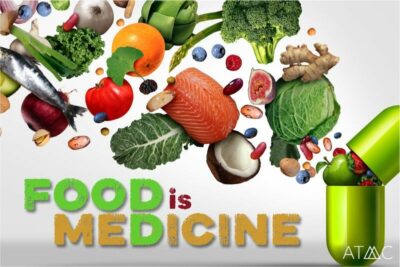 Ever hear the phrase, “You are what you eat?” Well, it definitely applies to the brain. Proteins, fats, and carbohydrates, as well as a myriad of micronutrients, are needed for optimal brain function.
Our ingested protein is broken down by digestive processes into its component amino acids. The important amino acids for optimal brain function are tryptophan, tyrosine, GABA, glutamine, and glycine. They are converted into neurotransmitters with the help of cofactors, or chemical helpers including vitamins B3, B6, B12, C, and folic acid (folate), and the minerals zinc, copper, and magnesium.
Magnesium is a calming mineral and its deficiency can lead to anxiety. You also need fish-oil based omega-3 fatty acids. Fats comprise about 60 percent of each brain cell, providing the complex, pliable cell wall in which neurotransmitter activity takes place.
Then there’s glucose (blood sugar) required for fuel. Amazingly, that little three-pound organ, your brain, uses 20 percent of the body’s glucose. That’s why we feel so good when we have a sugar high — it goes right to our brain and burned for fuel. The same is true of processed foods, alcohol, and caffeine. You’ll get a quick high, but in a short time they are metabolized and your body wants more. Stay on that sugar roller coaster and eventually, you’ll start suffering from blood sugar dips and increasing mood swings.
In addition to foods, certain medications including antihistamines, tranquilizers, sleeping pills, narcotics, and recreational drugs can affect your brain chemistry, as discussed in my book, Supplement Your Prescription.
Depression, Anxiety, and Amino Acids
 In my own practice, I evaluate patients for specific deficiencies, then supply the missing nutrients. In depression, there is often a lack of mood-stabilizing serotonin, made from the essential amino acid tryptophan. This is found in protein-containing foods such as turkey, chicken, cottage cheese, avocados, bananas, and wheat germ.
Supplementation with the amino acid 5-hydroxytryptophan (5-HTP), a downstream metabolite of tryptophan, can help your brain manufacture more serotonin. Individuals suffering from fibromyalgia, with fatigue and painful areas all over their body, often have low levels of serotonin. 5-HTP has been helpful in relieving their symptoms by promoting deep sleep.
The “catecholamine” or stimulating neurotransmitters, adrenaline, norepinephrine, and dopamine, also found in protein-rich foods, are the brain chemicals associated with motivation, focus, and energy. Deficiencies can result in cravings for sugar, coffee, stress, or alcohol “high.” The good news is that supplementation with the amino acids tyrosine and phenylalanine can help your brain manufacture more of the energizing catecholamines.
Add in the amino acid glutamine, which goes right to the brain, and those cravings become history. In cases of anxiety, there is a deficiency in the neurotransmitter GABA, the brain’s “chill-factor.”
Complex Carbs and Glucose
Balanced blood sugar levels, essential for sustained mood and energy, require a diet that contains complex carbs as opposed to simple sugars, as well as the micronutrients chromium, vanadium, glutamine, and alpha-lipoic acid (ALA). ALA does double or even triple duty: It helps the liver with its job of detoxification, and acts along with N-acetyl-cysteine (NAC) as a high-powered antioxidant, protecting against free radicals. It also helps balance glucose and insulin in those with blood sugar imbalances.
Restoring Your Brain Chemistry from Addiction
The incidence of addiction is ever-increasing, and very few treatment centers are addressing the biochemical aspect. Alternative to Meds Center is unique in this way and has a comprehensive, integrative program for addiction, mental health, and natural medication tapering.
It’s clear that if the brain is given the nutrition it needs in the form of food and specific targeted nutrients, the drug and alcohol cravings can be greatly reduced, if not eliminated. This is done along with a well-planned substance or medication withdrawal program. With this, we include social and emotional support — which has a far better chance of success when the individual is supported nutritionally. For more information on nutrition and brain health, order my book, “The Addicted Brain and How to Break Free” available on Amazon and bookstores everywhere.
One-Stop Solution for Whole Health
Over my many years of practice, I have found that patients did better when I simplified their program. I do this by formulating a supplement containing all the brain essentials mentioned in this article. The aim of applying these research materials is restoring your brain chemistry It also has blood-sugar balancers, antioxidants, and liver support nutrients. This program assures that they take their supplements, at the right times, in the right proportions, with no need to deal with various bottles and doses. The results have been gratifying, with increased compliance and greater overall success.
For more information on this and other natural ways to balance mind and mood, please visit my website. You can enter your name and email there and receive my free e-book, “Reclaim Your Brain.”
for Restoring Your Brain Chemistry Help

Hyla Cass, MD
Hyla Cass, MD is a physician, psychiatrist and frequently quoted expert in the area of natural approaches to mental and physical health. She combines the best of leading-edge natural medicine with the modern science in her clinical practice, writings, lectures, and nationwide media appearances– on radio, TV (including The Dr. Oz Show, The View, & E-Entertainment), and in various local and national publications, including the Huffington Post. She helps individuals withdraw from psychiatric medications and substances of abuse, or to avoid medication altogether, through the use of specific natural supplements. She has created a unique, high quality line of nutritional supplements, and is the author of several popular books including Supplement Your Prescription, Natural Highs, 8 Weeks to Vibrant Health, The Amazing Itty Bitty Guide to Cannabis, and The Addicted Brain and How to Break Free. A well-known international speaker she lectures to the public as well as her medical colleagues on these same topics.

Diane is an avid supporter and researcher of natural mental health strategies. Diane received her medical writing and science communication certification through Stanford University and has published over 3 million words on the topics of holistic health, addiction, recovery, and alternative medicine. She has proudly worked with the Alternative to Meds Center since its inception and is grateful for the opportunity to help the founding members develop this world-class center that has helped so many thousands regain natural mental health.