Health Benefits and Risks of Fish and Seafood

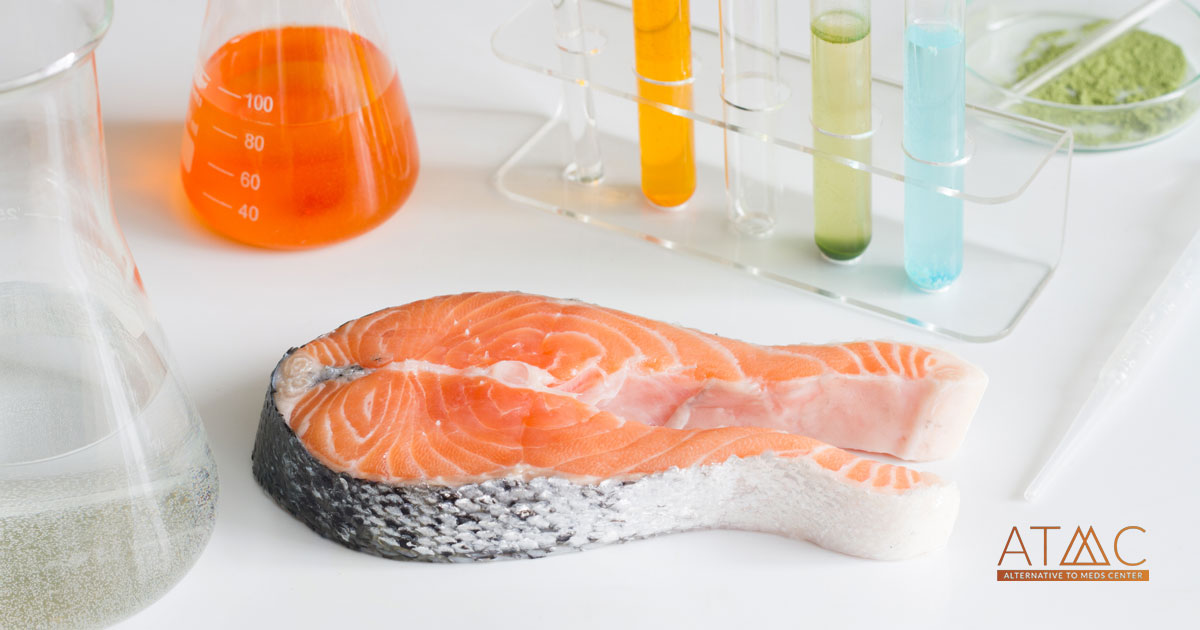
As mentioned, seafood can have powerful benefits for the human body. Many varieties of fish have one or both of two primary types of long-chain omega-3 fatty acids: docosahexaenoic acid and eicosapentaenoic acid. These fatty acids are important in the diet because the human body can’t synthesize them on its own. Similar health benefits can also be found in a plant-based omega-3 fatty acid, a-linolenic acid, but eating fish is a primary way to boost consumption of those omega-3s.3
Unfortunately, mercury is present in almost all seafood, though the concentration of mercury can vary drastically among species. The concentration of mercury in the seafood you eat is dependent on both species and the area it lives within.
How Fish Accumulate Mercury
Mercury levels in fish can be linked back to their environments and the corresponding mercury levels in the water. Unfortunately, mercury levels are consistently rising as a result of pollution and industrialization. Inorganic mercury may enter the environment from coal burning and other manufacturing processes, and is then converted into organic methylmercury by bacteria. Mercury also organically occurs in the environment, but industrialization has worsened the concentrations significantly.
Freshwater and sea animals carry and consume methylmercury bacteria from both sources, and are then, in turn, consumed by fish and shellfish. Larger, preying species of fish often have larger amounts of mercury within them because they are more likely to eat other fish, versus a plant-based diet. In other words, larger fish often consume smaller fish with their own mercury concentrations. Over time, this diet can cause a buildup of mercury in a larger fish’s system.
What Sea Foods Are High in Mercury?
Overall mercury buildup is process that is hard to predict with any certainty, because many factors affect mercury concentration. Water temperature, water pH levels, and the amount of mercury and other chemicals put into the water can also change mercury concentration in fish species. However, as mentioned, the highest concentrations of mercury can be found in larger and longer-living predator fish, who consume large quantities of small mercury concentrations through their prey.
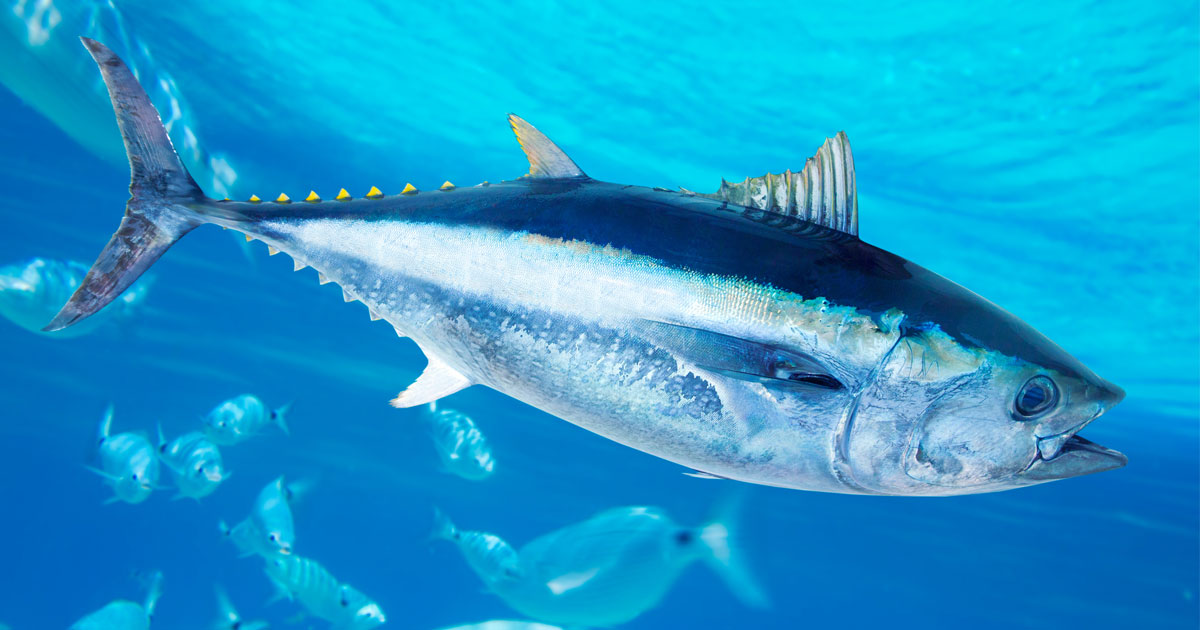
Levels of mercury can vary based on the age, size, and origin of the fish caught, as well as the season. 4
Fish with consistently high mercury levels include:
- Tilefish
- Swordfish
- Shark
- Fresh tuna
- Marlin
- King mackerel
- Orange roughy
- Escolar
Linking Blood Mercury Levels to Seafood Consumption
It’s important to understand why seafood is the main cause of mercury poisoning in the human body. The 2014 study mentioned above links seafood consumption to blood mercury concentrations in US adults. Researchers distributed a questionnaire about seafood consumption for the past thirty days to a sample of patients and retrieved mercury blood data for the same time period.
Elevated levels of blood mercury were connected to high-mercury fish consumption as well as high seafood consumption. The study posited that concerning sources of mercury exposure could include products like vaccines, which can contain thimerosal, or even dental amalgams. Other sources may include broken mercury thermometers, some jewelry, gold mining or extraction, exposure to industrialized air, or broken compact fluorescent light bulbs. However, researchers considered the mercury concentration resulting from these sources to be minimal. The primary accepted reason for mercury poisoning in US adults is attributed to seafood consumption.
Health Effects of Mercury
The ideal amount of seafood to consume can vary depending on the mercury level, which itself varies by type of fish, age, origin, and more. It’s important to limit your consumption of mercury-heavy fish and moderate your consumption of lower-mercury fish to reduce your risk of mercury poisoning—especially if you are pregnant.
While there isn’t currently an established upper limit of acceptable mercury in the body, or an official level at which mercury levels are considered “mercury poisoning,” researchers have identified negative health effects in children and adults with over 40 nanograms per milliliter of blood. Obvious signs of mercury poisoning may occur near 100 ng/mL.
So, what are the odds of getting mercury poisoning from fish? Generally, poisoning occurs over time, with a gradual buildup of mercury. The half-life of mercury is fifty days, meaning that mercury levels will have naturally decreased by half within fifty days of your initial consumption. However, if you often consume large amounts of fish, you’ll be adding more mercury before the initial dose has been metabolized out of the body.
Neurological Effects of Mercury
Mercury is a neurotoxin, meaning it has adverse effects on the brain. Fetuses and young children are most at risk from improper neurodevelopment, but high doses of mercury also negatively impact adults.
High levels of mercury can cause neurological effects including:
- Tremors
- Anxiety
- Depression
- Numbness
- Irritability
- Memory problems and memory loss
If any of the symptoms appear suddenly and severely, you may have severe mercury poisoning, and should call a doctor. With elevated levels of mercury in your body, you’ll need to do
chelation therapy, where a synthetic acid is injected to reverse the heavy metal poisoning from your body and bloodstream.
Mercury’s Effect on the Developing Fetus
Mercury is especially dangerous for those who are pregnant or plan to become pregnant. As the brain and nervous system of the developing fetus are formed during pregnancy, mercury can inhibit proper development. Mercury is incredibly damaging to fetuses because high concentrations of methylmercury can cross the placenta and fetal blood-brain barrier. As a result, the levels of mercury in the fetal brain are much higher than in the person carrying the fetus.
Predator fish with the highest known concentrations of mercury should be avoided at this time, including but not limited to shark, tilefish, swordfish, and king mackerel. The 2010 Dietary Guidelines for Americans recommends limiting consumption of these and certain other fish for those who are pregnant or breastfeeding.
Of course, fish can be part of a healthy diet during pregnancies, thanks to the omega-3 fatty acids, which can positively affect cognitive development. That’s why it’s important to choose fish with significant health benefits and low mercury concentrations, and consider plant alternatives as well.
 Fish with the lowest concentration of mercury and a good source of omega-3 fatty acids include:
- Sardines
- Tilapia
- Salmon
- Herring
- Anchovies
- Catfish
- Pollock
- Arctic char
- Atlantic mackerel
- Rainbow trout