

Alternative to Meds Editorial Team
Medically Reviewed by Dr John Motl MD
Table of Contents:
- What Is Defined as Addiction?
- What Is the Operational Definition of Addiction?
- What Are the 5 Characteristics of Addiction?
- What Are the 4 Levels of Addiction?
- Why Do People Get Addicted to Prescription Drugs?
- Which Medications Are Habit-Forming?
- Can I Become Addicted to My Medications?
- How Do You Taper Off Medication?
- Getting Help for Addiction
Addiction is a word that often means something different to every individual. Addiction makes many people think of TV shows like Intervention or My 600lb Life, where individuals are causing harm to themselves and others through their addiction to drugs, alcohol, or food. The word can also be used to express a deep love or commitment to something such as, “I’m addicted to this show,” or “I’m addicted to working out.” With the word used in so many different capacities, it makes one wonder, what is addiction? What does it truly mean to be addicted to something?
What Is Defined as Addiction?
Addiction can be defined as a treatable, chronic medical disease that is influenced by complex factors such as brain wiring, genetics, environment, and life experiences.1 Addiction is a compulsive need for a substance or to engage in a certain behavior often, even if it has harmful consequences. When it comes to determining what addiction truly is, the definition must go beyond just drugs and alcohol. It can be anything a person develops an intense focus on, either directly or indirectly, to a point where it can become difficult to function normally without the addictive behavior.
According to the National Institute on Drug Abuse, there are a few key reasons individuals develop an addiction. These reasons can include:
- Feeling good. This is associated with pleasure, either feeling high or intoxicated.
- Feeling better. This could be to relieve stress, anxiety, or pain, or a way to numb both body and mind.
- Doing better. Improving focus or thinking, making yourself stronger
- Curiosity. Someone may want to experiment, or they feel peer pressure to do so.
Put another way, addiction is a dependence on any substance or behavior that alters the way a person experiences life. The addiction becomes a priority over time, impacting relationships, jobs, and overall enjoyment of life.
What Is the Operational Definition of Addiction?
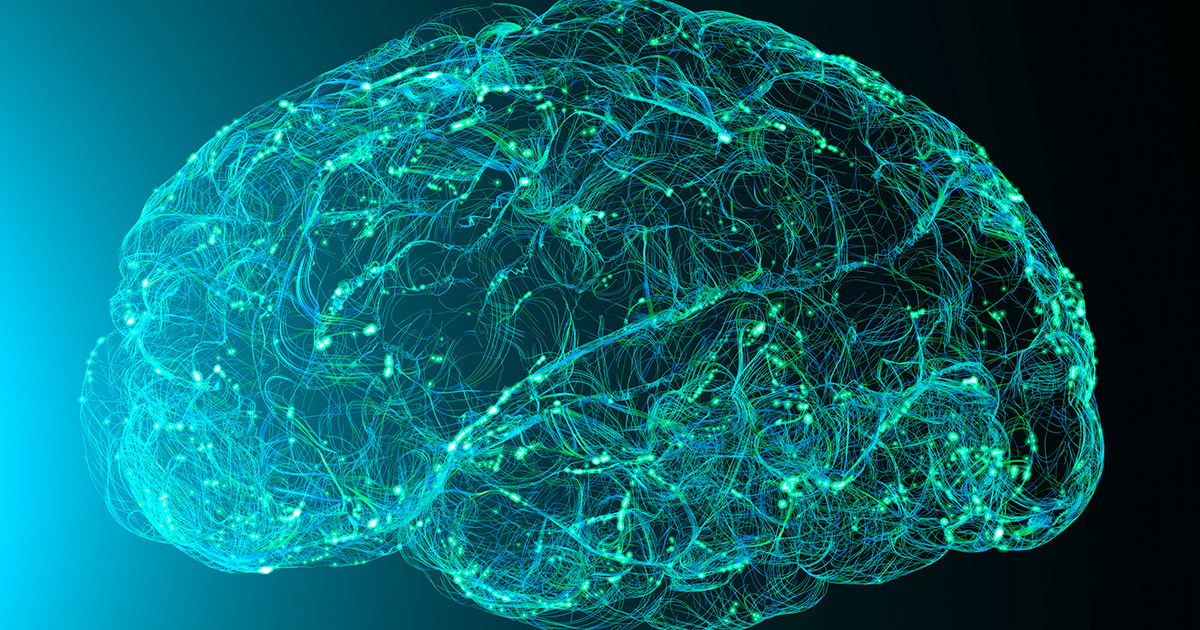
The operational definition of addiction is the chronic disease of brain reward, motivation, memory, and other brain systems. It is a constant and extreme stimulation in the brain system that provides pleasure or euphoria. At the same time, it inhibits the brain systems that control anxiety, stress, and fight or flight response. A person in active addiction becomes focused on the pursuit of that response and loses the inability to stop themselves.
What Are the 5 Characteristics of Addiction?
As mentioned, there are endless different things a person can become addicted to, including drugs, alcohol, caffeine, food, sex, gambling, and even shopping.2 Addiction is truly in place when the individual develops the inability to stop fixating on something, even when negative consequences are involved. These five main characteristics become apparent over time.
Tolerance
When someone is dealing with an addiction, they are battling the feeling that they always want more of what they are addicted to. This need—and its constant fulfillment—drives up the person’s tolerance level. As tolerance levels increase, the person needs more of the substance or behavior to achieve the same desired effects they experienced before. While often associated with drugs and alcohol, tolerance can happen with any addiction.
Withdrawal
Withdrawal is a negative reaction experienced when stopping the use of the substance or behavior. The symptoms of withdrawal vary depending on the type of dependency and the severity of the addiction. The person can have emotional, or physical reactions to not having their substance or activity of choice.
When using alcohol withdrawal as an example, individuals can experience anxiety, paranoia, nausea, tremors, headaches, and in severe situations would need to seek medical treatment to alleviate the severity of symptoms. Serious withdrawal can result in seizures and other life-threatening side effects. 3
Denial or Rationalization
Addiction is rarely a private matter. At some point, friends, family, and coworkers notice a change in a person’s appearance or behavior. When questioned by loved ones, most individuals with an addiction will either deny or rationalize their situation. Common responses are, “I can quit at any time, it’s not that bad, I only do it once in a while,” and the list can go on and on. There are many stigmas4 associated with addiction, which pushes individuals dealing with addiction to hide behind half-truths and lies.
Loss of Will Power
Breaking the chains of addiction can be difficult. Even if a person wants to commit to a sober lifestyle, it can still feel impossible to stay away from the substance or behavior. A person may tell their family they are ready to change but soon find themselves in a situation where they lose their ability to continue coping and engage in the activity once again.
Preoccupation
Addiction often starts small. You could be prescribed medicine, like the way it makes you feel, and once your prescription runs out, find yourself trying to get that medicine elsewhere. Addiction makes finding that drug or substance the main focus. Other things, such as going to work, spending time with friends and family, or participating in hobbies you enjoy, no longer seem as important. A person can develop tunnel vision when it comes to addictive behavior. Their life revolves around thinking about it, preparing to have it, obtaining it, and repeating the cycle, day after day.
What Are the 4 Levels of Addiction?

Of course, a full-blown addiction doesn’t happen overnight. It evolves, with some addictions taking years to form, while others can start to form after the first use. Several factors play a role in how dependent a person could become on a substance or behavior. When it comes to addiction, the four levels include experimentation, regular use, high-risk use, and addiction.
Experimentation
Experimenting is the voluntary use of a substance or engaging in behavior without experiencing any negative social or legal consequences. This experimentation may even be accepted or encouraged, which is often seen with young adults.5 Some individuals may see this as a one-time occurrence, not realizing that is the exact mentality that can open the door to further use and dependency. Some individuals are able to stop at this stage. Others want to experience that feeling again, leading to the next level of addiction.
Regular Use
This level can be seen as a fork in the road. Some people can engage in substance use or behavior without developing a dependency, though the risk greatly increases. This level often involves the increase of high-risk behavior such as driving under the influence or going to work high. What started as occasional use can quickly become part of your routine. You may begin working it into your day as easily as you would taking a shower or preparing meals for the week. At this level, some individuals may start to experience feelings of shame or guilt about their behavior but often continue to justify or rationalize use.
High-Risk Use
This level is a fine line before full addiction. At this point, a person has likely experienced some form of social or legal consequences such as losing a job, failing a class, or damaging a friendship. At this point, the cravings for the substance become unbearable, and engaging in use becomes a main focus throughout the day.
Addiction
This level is complete dependency on the substance or behavior. Without it, a person will experience withdrawal symptoms and changes in behavior. When addicted, a person will spend most of their time under the influence, engaging in destructive behavior.
Why Do People Get Addicted to Prescription Drugs?
The most common reason people become addicted to prescription drugs is that they are inherently as addictive as street drugs in many cases, and improper use or dosage further exacerbates this issue. Prescription medicine can be strong, especially when prescribed for severe pain, such as breaking a bone or post-surgery.
This medicine is meant to numb the pain, allowing the patient to recover as comfortably as possible. Unfortunately, it is easy to get used to the way these medicines make you feel. While doctors do their best to help prevent misuse of prescription drugs, they sometimes prescribe more than needed, or provide unnecessary refills. They may not realize other drugs the person is taking, which can alter the way the drug works, or its side effects.
Which Medications Are Habit-Forming?
Several medications are habit-forming, like opioids which provide euphoric effects that are sedative in nature and are often prescribed for pain. Popular opioids include Oxycontin, Codeine, and Percocet. Opioids continue to be one of the most misused and addictive prescription drugs available.6
Barbiturates and benzodiazepines are central nervous system depressants. They provide a calming, numbing effect that can be addictive. These include Xanax, Valium, and Klonopin. Stimulants can also be habit-forming as they help to boost alertness and energy. Adderall and Ritalin are some of the best-known stimulants.
At the end of the day, it is important to recognize that most any medication that produces pleasure and euphoric feelings can become habit-forming.
Can I Become Addicted to My Medications?

There is a risk of addiction when taking prescription medicine. That is why it is so important to reduce the risk of addiction by using the medicine only as prescribed. Keep track of the correct dosages as well as the proper time and method of taking the medicine. Following the doctor’s instructions can help to ensure you only use the medicine as needed.
There are certain risk factors to consider as well, including:
- Past or present addictions
- Family history of substance abuse
- Peer pressure or social environments that embrace the behavior
- Lack of knowledge
The best prevention step a person can take is to talk openly with their doctor. Your doctor must know any other medications you are taking before prescribing you a medication. You should also talk with your doctor about drug alternatives and ensure that you are taking the medicine appropriately. It is important to follow directions carefully, and only use them as directed. If you are taking medicine for pain, but are no longer experiencing pain, talk to your prescriber about the safest way to stop taking the medication. This can help ensure you don’t develop a habit.
How Do You Taper Off Medication?
When tapering off medication, it is best to speak to your doctor or pharmacist about the best way to do so. Medicine can alter the way our brain, muscles, nerves, and other systems interact. It is also important to note that every medicine is different and requires special attention to beginning a taper.
Even when you’ve been prescribed a medicine short-term, the safest route is to gently taper down to zero, under medical guidance. However, if you’ve been on a medicine for several weeks or months, you may need just as long to safely taper off the medication. Abruptly stopping a medication you are chemically dependent upon could create its own risk for your health. At this point, you will likely need professional guidance to cease your medication—potentially via detoxification.
Getting Help for Addiction

Addiction can look different for every individual. What is important to remember is that no one has to go through addiction alone. There are resources available to help individuals at any level of addiction. We’re dedicated to providing holistic detox and other services to individuals in need of help ceasing the use of prescription medications and recreational drugs.
Addiction can be defined as a treatable, chronic brain disease that is influenced by complex factors such as brain wiring, genetics, environment, and life experiences. Addiction is a compulsive need for a substance or a behavior (or if you will, an obsession) often even if it has harmful consequences. When it comes to determining what addiction truly is, the definition must go beyond just drugs and alcohol. It can be anything that someone develops an intense focus on (either directly or indirectly), to a point where it can become difficult to function normally without that thing being present.
for Addiction Help
Sources:
1. Sussman, S., & Sussman, A. N. (2011). Considering the definition of addiction. International journal of environmental research and public health, 8(10), 4025–4038.
2. Weinstein, A., Maraz, A., Griffiths, M. D., Lejoyeux, M., & Demetrovics, Z. (2016). Compulsive buying—features, and characteristics of addiction. In Neuropathology of drug addictions and substance misuse (pp. 993-1007). Academic Press.
3. Tiglao, S. M., Meisenheimer, E. S., & Oh, R. C. (2021). Alcohol withdrawal syndrome: outpatient management. American family physician, 104(3), 253-262.
4. Matthews, S. (2019). Self-Stigma and addiction. The Stigma of Addiction (pp. 5-32). Springer, Cham.
5. Coleman, A., Khondker, M., & Tucker, N. (2021). https://digitalcommons.buffalostate.edu/srcc-sp21-psychsocsci/22/”>You’re Already Addicted: Peer Pressure’s Effect on Substance Use. Retrieved Feb 22, 2022
6. Blendon, R. J., & Benson, J. M. (2018). The public and the opioid-abuse epidemic. New England Journal of Medicine, 378(5), 407-411.

Dr. John Motl, M.D.
Dr. Motl is currently certified by the American Board of Psychiatry and Neurology in Psychiatry, and Board eligible in Neurology and licensed in the state of Arizona. He holds a Bachelor of Science degree with a major in biology and minors in chemistry and philosophy. He graduated from Creighton University School of Medicine with a Doctor of Medicine. Dr. Motl has studied Medical Acupuncture at the Colorado School of Traditional Chinese Medicine and at U.C.L.A.
Social Profile: LinkedIn

Lyle Murphy is the founder of the Alternative to Meds Center, a licensed residential program that helps people overcome dependence on psychiatric medication and addiction issues using holistic and psychotherapeutic methods.