Private, confidential help is available

Call Now

Treatment at ATMC

Understand the options without reducing the person to a diagnosis

Treatment begins with a careful look at the whole picture: medication history, current symptoms, physical health, substance use, environment, and personal goals.
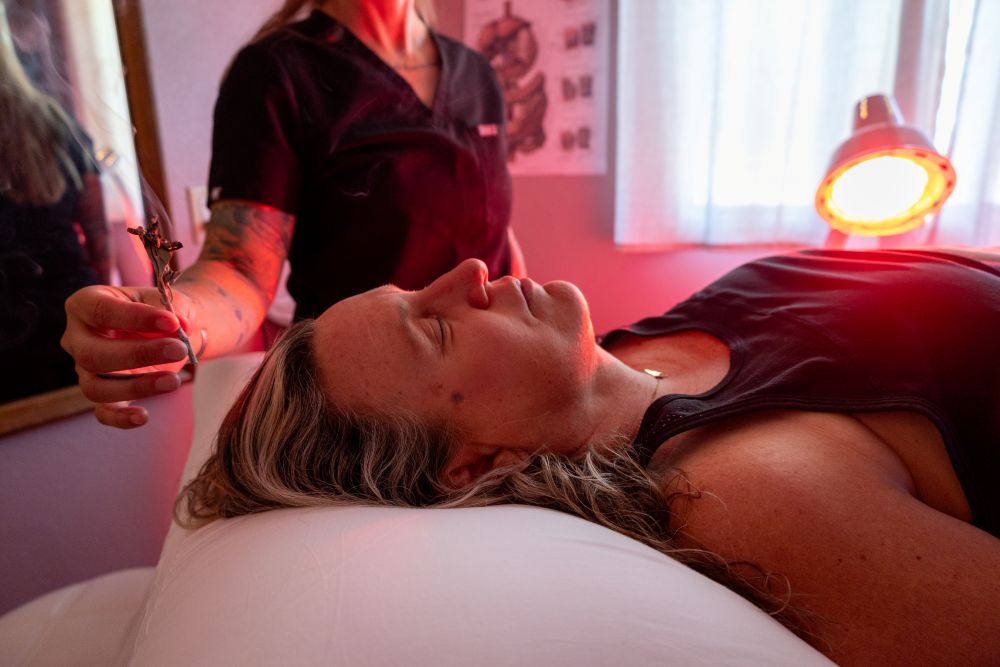
Where care begins

The right starting point depends on what you are navigating

People rarely arrive with one isolated concern. Medication dependence may overlap with anxiety, depression, trauma, substance use, sleep disruption, or physical symptoms.

ATMC's residential model is designed to investigate those connections before defining the treatment path. The areas below are ways to explore care—not rigid tracks or promises of a particular outcome.

Where care begins

Five ways to understand the support available

Choose the area closest to your immediate question. Admissions can help clarify where concerns overlap.

The treatment model

One coordinated plan instead of disconnected interventions

01

Assess carefully

Review history, current concerns, medications, goals, and relevant clinical information.
02

Plan individually

Shape priorities, pace, and support around the person rather than a preset track.
03

Support restoration

Bring clinical care, nutrition, structure, and integrative therapies into one setting.
04

Prepare for continuity

Consider what sustainable support should look like after residential treatment.
Choosing a next step

You do not need to identify the perfect category first

Share what is happening

Begin with the concerns that feel most urgent or disruptive right now.

Review practical fit

Ask about program scope, timing, travel, residential expectations, and coverage.

Understand limitations

Admissions can explain what ATMC may support and when another level or type of care may be more appropriate.

Decide without pressure

A first conversation is private and does not obligate you to enter treatment.