Alternative to Meds Editorial Team
Medically Reviewed by Dr John Motl MD
Table of Contents:
- Video: Antipsychotics FAQs
- Natural Loxapine Alternatives — General Info
- Alternatives to Loxapine at Alternative to Meds Center
- About Loxapine
- Orthomolecular Medicine as an Alternative to Loxapine
- Support Gut Health — A Practical Alternative to Loxapine
- Exercise as Drug-free Mental Health Therapy
- Yoga, Tai Chi, Qi Gong — Effective Alternatives to Loxapine
- Toxic Causes of Mental Health Symptoms
- Video: What Is Neurotoxicity?
- Addressing Root Causes
- The Good News at Alternative to Meds Center
In a crisis situation, a drug such as Loxapine may have had its place. But after the crisis passes is perhaps the best time to carefully consider other treatment options.
Is Loxapine the only option?
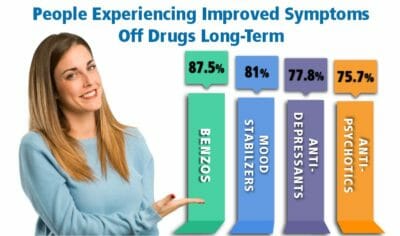
For more than 17 years Alternative to Meds Center has focused on providing documented safe and effective alternatives to Loxapine and other drug regimens. Compassionate treatment is provided within a very comfortable treatment facility that is staffed with 50 professionals working for the best outcomes for our clients and their mental wellness. This may be an opportunity to find out more about drug-free options in mental health treatment and consider other strategies that may better suit your goals and current situation.
Natural Loxapine Alternatives — General Info
Alternative medicine encompasses a wide range of treatments supported by decades of clinical evidence for safety and efficacy. Pharmaceutical-based treatments often come to the market after a few weeks or months of clinical testing.
Where “mainstream” or allopathic medicine has largely become a symptom-management drug-based approach to health, natural medicine aims to encourage and support the body’s own healing mechanisms to engage and do the heavy lifting. Natural medicine is not intended to be a quick fix. It enables a healing process that may focus on many points that an individual may need to correct and rebalance. Several branches of natural medicine are used at Alternative to Meds Center to improve mental health naturally, without primary reliance on medication.1-4
” “]
Alternatives to Loxapine at Alternative to Meds Center
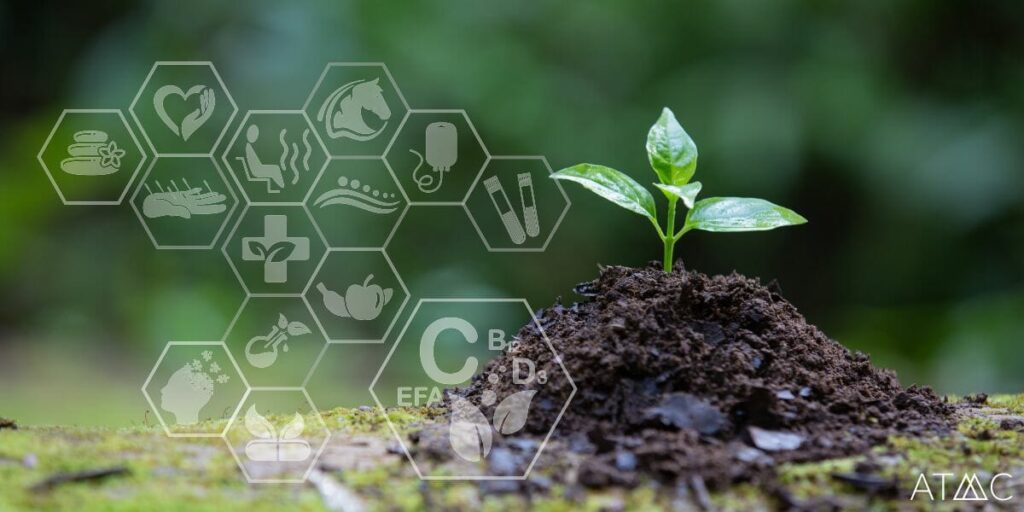
The following are some of the therapeutic options used as alternatives to loxapine at Alternative to Meds Center. More information follows below the list.
Alternatives to Loxapine at Alternative to Meds Center include:
 Orthomolecular medicine
- Support gut health
- Exercise, yoga, QiGong
- Environmental medicine
- Addressing root causes
- Gradual drug cessation with holistic support
- Neurotoxin removal
- Neurotransmitter rehabilitation
About Loxapine
Loxapine is a generic antipsychotic medication that has been used for nearly 50 years. It was FDA approved to manage (quickly subdue) symptoms of aggression, acute agitation, psychosis, and mania. These symptoms are frequently associated with schizophrenia, and with what is termed bipolar 1 episodes of psychosis. The drugmaker reported that 90% of the 3.2 million schizophrenia patients in the US exhibit agitation in their lifetime. Expressed in those terms, this usage gives Loxapine the potential for a very large market share.
All antipsychotics are primarily used to quell agitation, and this can be life-saving in a crisis. However, one cannot assign antipsychotic medication any capacity to fix underlying causes for such symptoms. In fact, their adverse effects (AEs) especially after long-term use may worsen the patient’s initial condition, and these AEs can become irreversible. Clinical research has demonstrated that natural alternatives to Loxapine may be a better choice for long-term health.7
Loxapine comes in capsules, oral concentrate, injectable form, and a hand-held inhaler for the aerosol (powder) version. Due to increased deaths, it is not approved for elderly patients with dementia-related psychosis. Drug manufacturers and the FDA have conceded that the exact mechanism of action of Loxapine is unknown.5,6
Orthomolecular Medicine as an Alternative to Loxapine
When a crisis erupts, such as uncontrollable aggression or psychosis, antipsychotic medication is considered a humane and fast option. However, mental health treatment involves more than such temporal needs. Over half of all Norwegian patients surveyed in a 2019 study said they would prefer a drug-free treatment plan if one were available. Drug-free treatment programs have been offered throughout Norway’s medical system since 2016.4
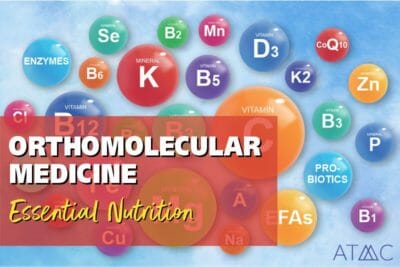 Orthomolecular medicine is used extensively in the field of mental health in some countries, where naturally occurring substances are used to correct vitamin and mineral deficiencies, as well as deficits in other essential nutrients vital to human health, including mental health. Correction of the diet is another important part of orthomolecular treatment. A low-carb diet rich in omega-3 oils and adequate protein, fresh fruits and vegetables is recommended. Avoiding sugars, and saturated fats have also been found therapeutic in treating schizophrenia and associated symptoms.27
A review published in the World Journal of Psychiatry showed that 19 out of 25 studies found one or multiple mental health improvements in patients suffering from schizophrenia were directly associated with a corrected diet alone.8
Natural substances have been extensively used for decades in orthomolecular medicine. In the treatment of schizophrenia-related symptoms, a large review of clinical research published in the Journal of Nervous and Mental Disease reported positive results from many such substances. Some of those found helpful were Chinese and Ayurvedic herbs, ginkgo Biloba, and vitamin B6.19
Other orthomolecular research demonstrates natural substances can reverse symptoms of schizophrenia in a matter of weeks, such as vitamin C, niacin, and omega-3 fatty acids, taken regularly. The entire spectrum of vitamin B including folate (B9) in particular and vitamin D have also been shown helpful in treating psychiatric disorders including schizophrenia.20,21,26
Support Gut Health — A Practical Alternative to Loxapine
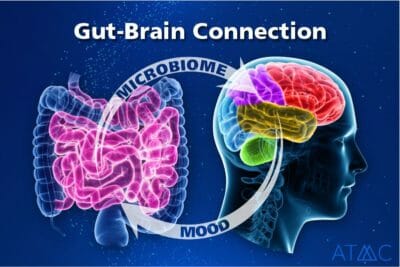 The gut is commonly referred to as “the second brain,” because of its enormous importance to mental wellness. Medical researchers have long suspected that gut health has something to do with mental health, but studies were few and conclusions were ambiguous. A brand new review published in the 2022 Journal of Microorganisms has found significant associations between the state of the gut microbiota and symptoms associated with psychosis, schizophrenia, depression, and others.22
Keeping your gut healthy is part of a drug-free strategy to support both physical and mental health. Adding fermented foods. adequate fiber and probiotics in the daily diet are good strategies for gut health, which in turn can reduce and even prevent symptoms associated with mental disorders.23,24
Exercise as a Drug-Free Mental Health Therapy
Exercise as a therapeutic intervention was examined in the same body of research mentioned above that also showed its beneficial effects on cognition, quality of life, and reduction of both positive and negative symptoms of psychosis in schizophrenia patients, including those who were previously treatment-resistant. Exercise has demonstrated improvements in schizophrenia patients in many other research projects as well. For instance, one study showed that exercise improved both positive and negative symptoms as well as hippocampal plasticity in the brain. As a response to a 12-week aerobic and weight-bearing exercise program, researchers found increased hippocampal volume and other benefits in schizophrenia patients such as improved quality of life, improved cognitive ability, better cardiovascular health, weight loss, improved mood, and other improvements.8-11
Yoga, Tai Chi, Qi Gong — Effective Alternatives to Loxapine
Yoga has been around for thousands of years. In the past decades, therapeutic yoga has been closely studied in clinical trials and shown to be beneficial for general symptoms of depression. But when tested specifically in schizophrenia patients, their quality of life scores improved even more compared to the benefits of aerobic exercise. Yoga was found to have a stabilizing effect on recovering schizophrenia patients in the trial. Researchers also found that telomerase activity increased by 43% as an after-effect of 3 weekly yoga sessions.13
Similar results were found for Tai Chi and Qi Gong in studies published in the Journal of Psychiatric Clinicians in 2013. The mindfulness aspect of these exercises was associated with many positive changes, including improved sleep and mood, described as being equal to or better than medication, relaxation exercises, and cognitive behavioral counseling.14
If a drug could supply all those benefits, who would say NO?
Unfortunately, there is no drug that can. But thankfully, drug-free alternatives can and do deliver these remarkable benefits every day at Alternative to Meds Center.
Toxic Causes of Mental Health Symptoms
It has been well established that the intricate biochemistry and neurochemistry of the human body can be disrupted and injured by toxic exposures. We are bombarded daily with chemicals in the home and workplace, toxic cleaning products, neurotoxic food additives, flame retardants, pesticides, flavor enhancers in processed foods, particulates in the air, and other exposures. Neurotoxic injury is commonly overlooked in assessing psychiatric symptoms.
Addressing Root Causes
Natural alternatives to loxapine or other medications are a practical approach to mental wellness. For centuries, mental illnesses have been beset by a lack of understanding, leading to many dead ends in treatment. A car mechanic doesn’t add experimental concoctions to the fuel tank and then wait to see what happens.  A good mechanic looks under the hood to see what is there that shouldn’t be there, and what is not there that should be there, finds out when the problems started, uses diagnostic testing, and by finding the root causes, works to actually locate and correct the sources of the problem.
That’s a rough analogy but fits well enough. A series of lab tests, interviews, and other assessments can reveal many valuable pieces of information that can lead to treatment strategies to correct the problems that are manifesting. A pathway to improvement can emerge clearly provided there is enough information to work with.
Using CBT and other personal and peer counseling, helpful types of interventions can emerge to address non-biological aspects of mental wellness. Providing a safe, social atmosphere for recovery is highly beneficial and is proven to help stabilize a person who is recovering from trauma and stress of many types and origins.25
While a prescription of loxapine or other sedating agents may be necessary for a dire crisis, a holistic approach to symptoms and chronic conditions requires observation, information, and a series of practical strategies that can actually locate and address the contributing factors. The holistic approach is comprehensive. That is what gets results in treatment.
The Good News at Alternative to Meds Center
You are invited to call us to find out more details about programs we offer that use alternatives to loxapine for therapeutic benefit. We realize that not every person will be able to entirely eliminate antipsychotic medication, but most can benefit from reduction or cessation if alternative medicine and other drug-free therapies are adequately applied, to enable and support the process safely. Our clients’ success speaks for itself. Please call us today and find out more.
for Loxapine Alternatives Help
Sources:
1. Kisling LA, Stiegmann RA. Alternative Medicine. [Updated 2022 Jul 25]. In: StatPearls [Internet]. Treasure Island (FL): StatPearls Publishing; 2022 Jan-. >Available from: https://www.ncbi.nlm.nih.gov/books/NBK538520/ [cited 2022 Nov 3]
2. Zell M, Grundmann O. An orthomolecular approach to the prevention and treatment of psychiatric disorders. Adv Mind Body Med. 2012 Fall;26(2):14-28. PMID: 23341413. [cited 2022 Nov 3]
3. Upton AC. Environmental medicine: introduction and overview. Med Clin North Am. 1990 Mar;74(2):235-44. doi: 10.1016/s0025-7125(16)30559-4. PMID: 2319825. [cited 2022 Nov 3]
4. Heskestad S, Kalhovde AM, Jakobsen ES, Tytlandsvik M, Horpestad L, Runde IKS. Drug-free psychiatric treatment – what do the patients think? Tidsskr Nor Laegeforen. 2019 Oct 2;139(14). Norwegian, English. doi: 10.4045/tidsskr.18.0912. PMID: 31592608. [cited 2022 Nov 3]
5. FDA label Loxatane (loxapine succinate USP capsules), (loxapine hydrochloride) oral concentrate, (loxapine hydrochloride) for intramuscular use [initial approval 1975] [cited 2022 Nov 3]
6. Cision PR Newswire, Adasuve (loxapine inhalation powder) [approved Dec 21 2012] [cited 2022 Nov 3]
7. Goff DC, Falkai P, Fleischhacker WW, Girgis RR, Kahn RM, Uchida H, Zhao J, Lieberman JA. The Long-Term Effects of Antipsychotic Medication on Clinical Course in Schizophrenia. Am J Psychiatry. 2017 Sep 1;174(9):840-849. doi: 10.1176/appi.ajp.2017.16091016. Epub 2017 May 5. Erratum in: Am J Psychiatry. 2017 Aug 1;174(8):805. PMID: 28472900. [cited 2022 Nov 3]
8. Aucoin M, LaChance L, Clouthier SN, Cooley K. Dietary modification in the treatment of schizophrenia spectrum disorders: A systematic review. World J Psychiatry. 2020 Aug 19;10(8):187-201. doi: 10.5498/wjp.v10.i8.187. PMID: 32874956; PMCID: PMC7439299. [cited 2022 Nov 3]
9. Mikkelsen K, Stojanovska L, Polenakovic M, Bosevski M, Apostolopoulos V. Exercise and mental health. Maturitas. 2017 Dec;106:48-56. doi: 10.1016/j.maturitas.2017.09.003. Epub 2017 Sep 7. PMID: 29150166. [cited 2022 Nov 3]
10. Girdler SJ, Confino JE, Woesner ME. Exercise as a Treatment for Schizophrenia: A Review. Psychopharmacol Bull. 2019 Feb 15;49(1):56-69. PMID: 30858639; PMCID: PMC6386427. [cited 2022 Nov 3]
11. Makris K, Kollias K. [Schizophrenia spectrum disorders and physical exercise]. Psychiatriki. 2021 Jul 10;32(2):132-140. Greek, Modern. doi: 10.22365/jpsych.2021.019. Epub 2021 May 28. PMID: 34052791. [cited 2022 Nov 3]
12. Upton AC. Environmental medicine: introduction and overview. Med Clin North Am. 1990 Mar;74(2):235-44. doi: 10.1016/s0025-7125(16)30559-4. PMID: 2319825. [cited 2022 Nov 3]
13. Vancampfort D, Vansteelandt K, Scheewe T, Probst M, Knapen J, De Herdt A, De Hert M. Yoga in schizophrenia: a systematic review of randomised controlled trials. Acta Psychiatr Scand. 2012 Jul;126(1):12-20. doi: 10.1111/j.1600-0447.2012.01865.x. Epub 2012 Apr 6. PMID: 22486714. [cited 2022 Nov 3]
14. Abbott R, Lavretsky H. Tai Chi and Qigong for the treatment and prevention of mental disorders. Psychiatr Clin North Am. 2013 Mar;36(1):109-19. doi: 10.1016/j.psc.2013.01.011. PMID: 23538081; PMCID: PMC3917559. [cited 2022 Nov 3]
15. Genuis SJ. Toxic causes of mental illness are overlooked. Neurotoxicology. 2008 Nov;29(6):1147-9. doi: 10.1016/j.neuro.2008.06.005. Epub 2008 Jun 24. PMID: 18621076. [cited 2022 Nov 3]
16. Rajkumar V, Lee VR, Gupta V. Heavy Metal Toxicity. 2022 Sep 18. In: StatPearls [Internet]. Treasure Island (FL): StatPearls Publishing; 2022 Jan–. PMID: 32809755. [cited 2022 Nov 3]
17. Harmer B, Lee S, Duong TVH, Saadabadi A. Suicidal Ideation. 2022 May 18. In: StatPearls [Internet]. Treasure Island (FL): StatPearls Publishing; 2022 Jan–. PMID: 33351435. [cited 2022 Nov 3]
18. Genuis SJ, Kelln KL. Toxicant exposure and bioaccumulation: a common and potentially reversible cause of cognitive dysfunction and dementia. Behav Neurol. 2015;2015:620143. doi: 10.1155/2015/620143. Epub 2015 Feb 4. PMID: 25722540; PMCID: PMC4334623. [cited 2022 Nov 3]
19. Hoenders HJR, Bartels-Velthuis AA, Vollbehr NK, Bruggeman R, Knegtering H, de Jong JTVM. Natural Medicines for Psychotic Disorders: A Systematic Review. J Nerv Ment Dis. 2018 Feb;206(2):81-101. doi: 10.1097/NMD.0000000000000782. PMID: 29373456; PMCID: PMC5794244. [cited 2022 Nov 3]
20. Dakhale GN, Khanzode SD, Khanzode SS, Saoji A. Supplementation of vitamin C with atypical antipsychotics reduces oxidative stress and improves the outcome of schizophrenia. Psychopharmacology (Berl). 2005 Nov;182(4):494-8. doi: 10.1007/s00213-005-0117-1. Epub 2005 Oct 19. PMID: 16133138. [cited 2022 Nov 3]
21. Onaolapo OJ, Onaolapo AY. Nutrition, nutritional deficiencies, and schizophrenia: An association worthy of constant reassessment. World J Clin Cases. 2021 Oct 6;9(28):8295-8311. doi: 10.12998/wjcc.v9.i28.8295. PMID: 34754840; PMCID: PMC8554424. [cited 2022 Nov 3]
22. Tsamakis K, Galinaki S, Alevyzakis E, Hortis I, Tsiptsios D, Kollintza E, Kympouropoulos S, Triantafyllou K, Smyrnis N, Rizos E. Gut Microbiome: A Brief Review on Its Role in Schizophrenia and First Episode of Psychosis. Microorganisms. 2022 May 29;10(6):1121. doi: 10.3390/microorganisms10061121. PMID: 35744639; PMCID: PMC9227193. [cited 2022 Nov 3]
23. Kraeuter AK, Phillips R, Sarnyai Z. The Gut Microbiome in Psychosis From Mice to Men: A Systematic Review of Preclinical and Clinical Studies. Front Psychiatry. 2020 Aug 11;11:799. doi: 10.3389/fpsyt.2020.00799. PMID: 32903683; PMCID: PMC7438757. [cited 2022 Nov 3]
24. Wang X, Zhang P, Zhang X. Probiotics Regulate Gut Microbiota: An Effective Method to Improve Immunity. Molecules. 2021 Oct 8;26(19):6076. doi: 10.3390/molecules26196076. PMID: 34641619; PMCID: PMC8512487. [cited 2022 Nov 3]
25. Mueser KT, Deavers F, Penn DL, Cassisi JE. Psychosocial treatments for schizophrenia. Annu Rev Clin Psychol. 2013;9:465-97. doi: 10.1146/annurev-clinpsy-050212-185620. Epub 2013 Jan 16. PMID: 23330939. [cited 2022 Nov 3]
26. Brown HE, Roffman JL. Vitamin supplementation in the treatment of schizophrenia. CNS Drugs. 2014 Jul;28(7):611-22. doi: 10.1007/s40263-014-0172-4. PMID: 24846474; PMCID: PMC4083629. [cited 2022 Nov 3]
27. Peet M. Nutrition and schizophrenia: an epidemiological and clinical perspective. Nutr Health. 2003;17(3):211-9. doi: 10.1177/026010600301700304. PMID: 14703154. [cited 2022 Nov 3]
Originally Published November 3, 2022 by Diane Ridaeus
Dr. John Motl, M.D.
Dr. Motl is currently certified by the American Board of Psychiatry and Neurology in Psychiatry, and Board eligible in Neurology and licensed in the state of Arizona. He holds a Bachelor of Science degree with a major in biology and minors in chemistry and philosophy. He graduated from Creighton University School of Medicine with a Doctor of Medicine. Dr. Motl has studied Medical Acupuncture at the Colorado School of Traditional Chinese Medicine and at U.C.L.A.
Social Profile: LinkedIn
Diane is an avid supporter and researcher of natural mental health strategies. Diane received her medical writing and science communication certification through Stanford University and has published over 3 million words on the topics of holistic health, addiction, recovery, and alternative medicine. She has proudly worked with the Alternative to Meds Center since its inception and is grateful for the opportunity to help the founding members develop this world-class center that has helped so many thousands regain natural mental health.