
Alternative to Meds Editorial Team
Medically Reviewed by Dr Michael Loes MD
Table of Contents:
- Video: Is Zoloft Safe?
- Does Zoloft Create Brain Chemicals?
- Risks of Zoloft Addiction and Dependence
- Should You Stop Taking Zoloft Abruptly?
- Is Zoloft Habit Forming?
- How Does Addiction to Zoloft Develop?
- Zoloft Addiction, Half-Life, and the Euphoric Effects of the Drug
- Zoloft Addiction Recovery
- Treatment for Zoloft Addiction At Alternative to Meds Center
Serotonin is a natural inhibitory hormone that regulates mood, emotions, appetite, digestion, sleep cycles, and many other healthy body functions.
Know the Truth About Zoloft Addiction
Unfortunately, many patients start taking these medications without knowing the full implications of using them long term. In fact, long-term usage has led to side effects and withdrawal symptoms in patients using Zoloft that have endangered their health and impacted their daily lives. Persons taking antidepressants like Zoloft should seek medical assistance to safely stop taking the drug.2
Does Zoloft Create Brain Chemicals?
These effect are very similar, mechanically, to how cocaine users report that cocaine helped relieve depression, but only for a short period. Cocaine affects dopamine, another neurotransmitter. Dopamine is referred to as the “feel-good chemical” or reward chemical in the brain. Cocaine interacts with dopamine receptors. When cocaine is first taken, users report feeling happy, excited, and rewarded.
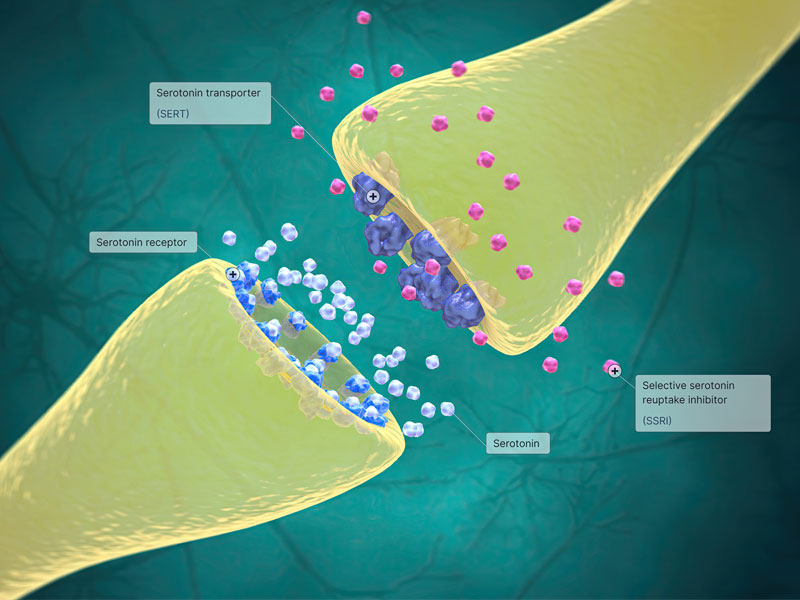
While Zoloft is thought to primarily influence other neurotransmitters than cocaine’s profile, studies on long-term use show that, like cocaine, any “positive” effects wane over time, and negative effects emerge such as sleep disturbance, addiction, dependence, worsened depression, and others.
Risks of Zoloft Addiction and Dependence
Despite pharmaceutical ads and what you may read on some websites detailing the benefits of the drug, actual Zoloft research paints a much different picture. Users of sertraline find that long-term use of the medication can lead to psychological Zoloft dependence. 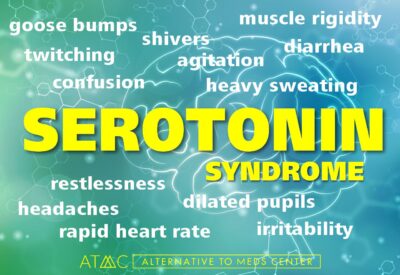 Significant withdrawal symptoms develop when the medication is discontinued either abruptly or gradually. This causes physical symptoms that can interrupt the patient’s life and put their health at risk.
Aside from withdrawal, other side effects come with the medication as well, including the possibility of serotonin syndrome. Serotonin syndrome is a severe drug reaction that happens when a prescription drug causes too much serotonin to build up. This condition can be life-threatening, and is most often found when multiple serotonergic agents are active in the body, such as multiple antidepressants. Physical symptoms include fever, sweating, chills, coma, confusion, other cognitive deficits, and can be fatal if not immediately treated. This is the rare circumstance when abrupt cessation of the drug is part of the treatment, but only in a hospital setting set up to handle critical level care.
Other side effects of sertraline are low libido, nausea, aggression, violence in thoughts and actions, insomnia, numbness, and irritability.5 Because of the way Zoloft is metabolized in the body, elimination of the medication from the body can be hampered by liver impairment, and the drug can cause secondary hepatitis as well.6 Long-term use of the drug may magnify and worsen these side effects. Since this prescription medication has the potential to develop dependency in the patient taking it, dependence can be elevated when mixing Zoloft with other substances, especially those that also affect serotonin or are associated with liver damage.1-4,7
Should You Stop Taking Zoloft Abruptly?
No. If you are currently taking Zoloft to deal with depression, you may have noticed the negative side effects the medication can cause. However, stopping sertraline abruptly and sometimes even cutting the dose gradually can cause severe, often lingering reactions in patients taking the medication. Sertraline withdrawal symptoms can be very intense, causing lethargy, diaphoresis (“cold sweats”), confusion, nausea, irritability, dysregulated mood, hypomania (state of euphoria and hyperactivity but not as long-lasting or extreme as in full blown mania), agitation, sensory disturbances, vertigo, tremors, headaches, emotional lability (constantly changing or unpredictable emotion, outbursts, etc.), sleep disorders, tinnitus, and seizures.
Zoloft can be gradually tapered down to zero to mitigate these withdrawal symptoms. However, tapering safely and comfortably can take time — perhaps weeks or months — indicating that the effects of Zoloft include addiction or dependence. It is recommended to consult a doctor who is familiar with Zoloft and well-versed in how to reduce dosages gradually. Not all addiction treatment professionals and medical health professionals are well-equipped, so choose your healthcare professionals carefully before entrusting them to help you discontinue Zoloft.
Is Zoloft Habit Forming?
Clinical trials pre-approval were short-term, and did not research the side effects caused by long-term use, or determine the outcomes when discontinuing use. The initial withdrawal symptoms were downplayed as mild, or all too often, misdiagnosed as returning mental disorders. As a result, many patients reporting adverse withdrawals were often not taken seriously.
Sertraline affects the way neurons in the brain reuptake and process serotonin. This prescription drug can therefore change the brain’s chemistry and affect how it responds to natural serotonin and other neurotransmitters. Eventually, the brain and central nervous system adapt to the presence of the drug, causing issues when use is stopped.
How Does Addiction to Zoloft Develop?
Addiction here implies that withdrawals occur when the medication is stopped. Dependence is a synonym for this condition. Addiction to Zoloft can develop when the medication is used for long-term treatment. This long-term treatment can cause the patient to develop tolerance, or a lessening of the therapeutic effects, and withdrawal symptoms are common when it is discontinued. Withdrawal symptoms can be intolerable for many people, and they may resume use of the medication to avoid further symptoms.
Addiction, dependence, and withdrawal symptoms develop because Zoloft has an effect on neurochemicals and other components of how the central nervous system, brain, genetics, and other factors monitor the functions of the human body.
Zoloft Addiction, Half-Life, and the Euphoric Effects of the Drug
Patients taking sertraline or other SSRI medications often report developing a dependency on the feeling of a Zoloft high. While official sources say the drug does not produce a sense of euphoria, there have been many reports from patients of hypomania and heightened euphoria as a side effect of the medication.7,14  Hypomania is a short-lived period (often 2-3 days) of increased mood, excited state, and overactive behavior that can be euphoric to some. Zoloft addiction and hypomania can also lead to aggression towards others and even crashes that can result in suicidal ideation.
Zoloft’s addictive qualities may have to do with the drug’s half-life. The half-life is the amount of time it takes for half of the chemical to metabolize or become inactive in the body. The half-life of sertraline in the bloodstream for someone taking 50 to 200mg daily is about 26 hours according to the FDA. The drug’s half-life extends to 50 hours if the liver is damaged.8 When the half-life period ends, the adverse side effects of Zoloft addiction begin. Patients can become dizzy, depressed, anxious, and irritable because they haven’t taken their medication.
Patients suffering from antidepressant addiction can experience dreams or nightmares, nausea, insomnia, zapping sensations, and akathisia during Zoloft withdrawal periods. Akathisia is a potential side effect of this drug’s use and is characterized by extreme agitation, unbearable internal and motor restlessness and anxiousness. Akathisia is commonly thought to be a precursor to aggressive thoughts, aggressive behaviors, and suicidal thoughts or ideation. This is one of the extremely detrimental effects that can occur from SSRI drugs. Not only is akathisia a horrendous side effect, but it is often linked with suicide, where a person so affected becomes desperate for relief.9 This is only one of the extreme symptoms a patient can experience when dealing with antidepressant addiction.
Zoloft Addiction Recovery
 Your mental health is essential and should be a priority in any withdrawal or addiction treatment program. If you are taking Zoloft and want to discontinue your use of the drug, it is crucial that you take a step-by-step approach and do not abruptly or too quickly stop taking the medication. In fact, to stop taking this medication safely, it is not only essential to manage your physical symptoms, but also to ensure that you have access to the right tools to help you cope with your mental health, as well.
It’s best to create a plan with competent medical professionals before going off the medication, as this process can be quite lengthy and may involve nuanced tapering over a significant time period, perhaps for weeks or months. Keep in mind that the way an individual patient is tapered off the drug depends on how long the patient has been on Zoloft, the dosage the patient was taking, the severity of symptoms the patient has had while taking the medication, and the person’s general level of health. Once you and your medical team have decided to begin a taper, alternative resources can provide critical tools in successfully and safely discontinuing Zoloft use.10
Therapy
Psychotherapy can help you cope with the symptoms of Zoloft addiction and the intensity of the physical and mental symptoms that resulted from ceasing use of the medication. Talk therapy, cognitive behavioral therapy, and other counseling can help you develop ways to cope with what you are feeling that do not rely on pharmaceutical drugs. In addition, if you are struggling with other substance addictions, therapy can help you learn to manage symptoms of substance use disorder (SUD).
Physical Activity
Another helpful tool for Zoloft addiction recovery is physical activity. The endorphins and chemicals released during exercise have a powerful antidepressant effect. For many people, these “feel good chemicals” can help combat withdrawal symptoms. Physical activity can be extremely useful during a gradual taper to zero Zoloft use. In addition, patients that exercise three or more times a week are less likely to relapse after recovering from depression.
Secure a Support System
As you recover from Zoloft use and dependence, you must make sure to have a proper support system in place. This includes, first and foremost, a clinician or medical professional to help guide you through the tapering process and the physical and emotional symptoms experienced when discontinuing the medication. During discontinuation, a family member or friend is also great to have as part of your support system to help deal with the emotional stress of stopping the medication. Finding a local recovery group or utilizing the services of an addiction recovery facility can help you connect with others who have had a similar experience.
Remain Dedicated to the Tapering Process
Lastly, the most critical part of recovery is completing the tapering process. When you stop taking Zoloft, the dose may be reduced, using accurate measuring methods, or perhaps liquid dosing. Be sure to stay in close contact with a medical professional even after completely stopping the medication. Drug-free alternative treatments can help ensure depression or other symptoms have not returned. These can include nutrition, exercise, counseling and others, and can be safely used to support ongoing healing.11
Treatment for Zoloft Addiction At Alternative to Meds Center
At Alternative to Meds, a wealth of therapeutic support is available and which is detailed on our services overview pages. The program for each client is uniquely designed. Lab testing is crucial for understanding much of what should be addressed. Each person works with their team of professionals and meets with them at regular intervals for input, so that progress is smooth, and any changes needed can be implemented without delay.
Orthomolecular fundamentals are an important treatment pillar, as is addressing neurotoxin overload, and facilitating neurotransmitter rehabilitation. A wide array of comfort therapies are made available prior, during, and after safe and gentle tapering, including therapeutic massage, personal counseling services, peer support programs, exercise, equine therapy, acupuncture, sauna cleansing and other spa services, IV treatments, and much more.
Please contact us for more information on how Alternative to Meds Center can provide you or a loved one with the care and attention for successful recovery of mental health naturally after Zoloft addiction.
Zoloft Addiction
References:
1. Singh HK, Saadabadi A. Sertraline. [Updated 2023 Feb 13]. In: StatPearls [Internet]. Treasure Island (FL): StatPearls Publishing; 2023 Jan-. Available from: https://www.ncbi.nlm.nih.gov/books/NBK547689/ [cited 2023 Nov 20]
2. Koliscak LP, Makela EH. Selective serotonin reuptake inhibitor-induced akathisia. J Am Pharm Assoc (2003). 2009 Mar-Apr;49(2):e28-36; quiz e37-8. doi: 10.1331/JAPhA.2009.08083. PMID: 19289334. [cited 2023 Nov 20]
3. Lam MK, Lam LT, Butler-Henderson K, King J, Clark T, Slocombe P, Dimarco K, Cockshaw W. Prescribing behavior of antidepressants for depressive disorders: A systematic review. Front Psychiatry. 2022 Sep 9;13:918040. doi: 10.3389/fpsyt.2022.918040. PMID: 36159914; PMCID: PMC9501861. [cited 2023 Nov 20]
4. Schaefer, A., Burmann, I., Regenthal, R., Arélin, K., Barth, C., Pampel, A., … & Sacher, J. (2014). Serotonergic modulation of intrinsic functional connectivity. Current Biology, 24(19), 2314-2318. [cited 2023 Nov 20]
5. Mayo Foundation for Medical Education and Research. (2022, January 22). Serotonin syndrome. Mayo Clinic. [cited 2023 Nov 20]
6. Suen, C. F., Boyapati, R., Simpson, I., & Dev, A. (2013). Acute liver injury secondary to sertraline. BMJ case reports, 2013. [cited 2023 Nov 20]
7. Mendhekar DN, Gupta D, Girotra V. Sertraline-induced hypomania: a genuine side-effect. Acta Psychiatr Scand. 2003 Jul;108(1):70-4. doi: 10.1034/j.1600-0447.2003.00080.x. Erratum in: Acta Psychiatr Scand. 2003 Dec;108(6):466. PMID: 12807380. [cited 2023 Nov 20]
8. Pfizer (2020). ZOLOFT (sertraline hydrochloride) Label. FDA. [cited 2023 Nov 20]
9. Koliscak LP, Makela EH. Selective serotonin reuptake inhibitor-induced akathisia. J Am Pharm Assoc (2003). 2009 Mar-Apr;49(2):e28-36; quiz e37-8. doi: 10.1331/JAPhA.2009.08083. PMID: 19289334. [cited 2023 Nov 20]
10. Lejoyeux M, Adès J. Antidepressant discontinuation: a review of the literature. J Clin Psychiatry. 1997;58 Suppl 7:11-5; discussion 16. PMID: 9219488. [cited 2023 Nov 20]
11. Jeynes KD, Gibson EL. The importance of nutrition in aiding recovery from substance use disorders: A review. Drug Alcohol Depend. 2017 Oct 1;179:229-239. doi: 10.1016/j.drugalcdep.2017.07.006. Epub 2017 Aug 4. PMID: 28806640. [cited 2023 Nov 20]
12. Horowitz MA, Taylor D. Tapering of SSRI treatment to mitigate withdrawal symptoms. Lancet Psychiatry. 2019 Jun;6(6):538-546. doi: 10.1016/S2215-0366(19)30032-X. Epub 2019 Mar 5. PMID: 30850328. [cited 2023 Nov 20]
13. Hengartner MP. Methodological Flaws, Conflicts of Interest, and Scientific Fallacies: Implications for the Evaluation of Antidepressants’ Efficacy and Harm. Front Psychiatry. 2017 Dec 7;8:275. doi: 10.3389/fpsyt.2017.00275. PMID: 29270136; PMCID: PMC5725408. [cited 2023 Nov 20]
14. Danborg PB, Valdersdorf M, Gøtzsche PC. Long-term harms from previous use of selective serotonin reuptake inhibitors: A systematic review. Int J Risk Saf Med. 2019;30(2):59-71. doi: 10.3233/JRS-180046. PMID: 30714974; PMCID: PMC6839490. [cited 2023 Nov 20]
Originally Published August 7, 2021 by Diane Ridaeus

Dr. Michael Loes, M.D.
Dr. Michael Loes is board-certified in Internal Medicine, Pain Management and Addiction Medicine. He holds a dual license in Homeopathic and Integrative Medicine. He obtained his medical doctorate at the University of Minnesota, Minneapolis, MN, 1978. Dr. Loes performed an externship at the National Institute of Health for Psychopharmacology. Additionally, he is a well-published author including Arthritis: The Doctor’s Cure, The Aspirin Alternative, The Healing Response, and Spirit Driven Health: The Psalmist’s Guide for Recovery. He has been awarded the Minnesota Medical Foundation’s “Excellence in Research” Award.
Social Profile: LinkedIn

Diane is an avid supporter and researcher of natural mental health strategies. Diane received her medical writing and science communication certification through Stanford University and has published over 3 million words on the topics of holistic health, addiction, recovery, and alternative medicine. She has proudly worked with the Alternative to Meds Center since its inception and is grateful for the opportunity to help the founding members develop this world-class center that has helped so many thousands regain natural mental health.