

Alternative to Meds Editorial Team
Medically Reviewed by Dr John Motl MD
Table of Contents:
- Video: Top 11 Questions About Seroquel
- What is Seroquel Prescribed For?
- FDA Label Recommended Dosages of Seroquel to Treat Psychosis and Other Conditions
- Seroquel Side Effects vs Seroquel Withdrawal
- About Withdrawal Psychosis
- Are the Mechanics Behind the Phenomenon of Seroquel Withdrawal Psychosis Known?
A recent study published in the British Journal of Psychiatry concluded that “There is an urgent need to ascertain whether the high mortality in schizophrenia is attributable to the disorder itself or the antipsychotic medication.” 4 Such studies underscore not only concerns regarding potential Seroquel overdose or other drug-induced consequences but the great need for caution both in prescribing as well as carefully reducing and discontinuing antipsychotic medications.
What is Seroquel Prescribed For?
Statistics show that Seroquel and other “second generation” type antipsychotic medications have remained in the top 100 most prescribed drugs in the world over the last decade or longer.2 The ever-expanding number of conditions that can precipitate being prescribed Seroquel is one of the heaviest drivers of the drug’s popularity/profitability.

Seroquel and other types of antipsychotic medications such as Risperidone, Olanzapine, Lurasidone, Aripiprazole, and others are prescribed for schizophrenia, mania, and psychosis. Additionally, doctors also prescribe Seroquel for sleep, Seroquel for depression, Seroquel for anxiety, and sometimes prescribe Seroquel for alcohol withdrawal.
Various other conditions that are unrelated to psychosis or being out of contact with reality are also treated with Seroquel and similar drugs.3 Prescribing Seroquel for anxiety or depressive episodes related to bipolar conditions is also a common practice. Prescribing Seroquel for sleep is less common, but still occurs more often than it probably should. Prescribing Seroquel for drug rehab program use is also not an uncommon practice. As stated earlier, the list of reasons for prescribing Seroquel seems to grow longer each year.
FDA Label Recommended Dosages of Seroquel to Treat Psychosis and Other Conditions
In the treatment of adult schizophrenia, doses are recommended to start at 25mg twice daily, titrating upward to a maximum range of 150 to 750mg daily. For adult bipolar mania, dosages of Seroquel are titrated upward, increasing over 6 days from 100mg on day one to a maximum of 400 to 800mg daily maintenance dose. For adult bipolar depression, Seroquel is recommended to be administered starting at 50mg up to a maximum of 300mg daily, reaching the maximum dose by day 4.
These are some of the administrative instructions regarding dosages for these conditions as published by the FDA found on the Seroquel (quetiapine fumarate) label. There is a lot more information on the Seroquel FDA label concerning possible interactions with other medications, and other significant instructions and warnings provided there for physicians and patients alike.5
Seroquel Side Effects vs Seroquel Withdrawal
There can be quite a long list of undesirable side effects that are experienced while taking Seroquel. Some of these effects can be quite mild, such as indigestion or lightheadedness. However, others are severe or even potentially life-threatening and can include:
- Worsened depression
- Suicidality
- Complications of diabetes
- Tardive dyskinesia
- Stevens-Johnson syndrome
- Significant/sudden mood swings
- Nausea
- Head pain
- Extreme abdominal pain
- Akathisia
- Speech disorders
- Low blood pressure
- Tremors
- Lowered white blood cells
- Parkinsonism or other involuntary muscle movement disorders
- Insomnia
- Inflammation of the intestines
- Anaphylaxis
- and many, many others
 One very common side effect that occurs with antipsychotics, in general, could be described as the loss of a person’s sense of reward. Life becomes flat, lacking joy, and there is an inability to appreciate or experience anything meaningful in the way of emotional responses or to feel enthusiasm or the sensation of pleasure. For this reason, persons on these drugs may often feel numb and are driven to seek stimulation in ways that are not particularly healthful, such as using various stimulants, which may include excess caffeine, sugars, and heavy smoking.
Because of the undesirable effects of long-term usage of antipsychotic medications, many people come to the conclusion that discontinuation and antipsychotic withdrawal might well be a healthier option for them, along with exploring other antipsychotic alternative methods for truly resolving or diminishing unwanted symptoms that the drugs could not accomplish.
However, the difficulties that patients experience when attempting to withdraw from the drug have spurned many interested researchers to try and get to the bottom of drug-induced withdrawal psychosis, and other baffling problems connected with antipsychotic withdrawal. As well, other concerns are being looked at concerning antipsychotic medications in general, such as increased mortality rates in populations taking these medications. Alternative to Meds Center has helped many clients who successfully completed antipsychotic withdrawal in a gentle and well-supervised program carried out in the center’s nurturing and supportive inpatient setting. The program is laid out in such a way so as to minimize discomfort and ensure client safety and is done especially gently so as to avoid Seroquel withdrawal psychosis.
About Withdrawal Psychosis
 The phenomenon known as withdrawal psychosis refers to the appearance of psychosis when Seroquel or other antipsychotic medication is reduced, especially where the reduction is too fast, or without the necessary preparations. Sometimes this disconnection from reality or mania presents as a return of the person’s original symptoms when the suppression effects of the drug are no longer present. In these cases, often the original symptoms are worsened during withdrawal. Antipsychotics do not cure anything, however, they are very effective at suppressing feelings and emotions and other things.
But sometimes withdrawal psychosis occurs during Seroquel discontinuation when no psychosis or mania was present before the drug was begun, for instance, in the case of those who were prescribed for reasons other than schizophrenia. Why this can happen in either case is explained below, at least in part. The human brain and CNS is a complex, highly refined system and there are many factors and co-factors that can affect these structures which are not 100% understood at this time.
Are the Mechanics Behind the Phenomenon of Seroquel Withdrawal Psychosis Known?
Rather than being viewed as an “emerging mental illness,” one aspect of this phenomenon can be clearly correlated to the way the drug affects the distribution of certain transmitters in the CNS/brain. One of these, in particular, is dopamine. While more research needs to be done on how the drug acts on these natural chemicals, it is known that antipsychotic drug molecules lock on to dopamine receptors, resulting in a blockage and a resulting lowered amount of dopamine being allowed to be transported throughout the brain and CNS. This is how the drug effectively dampens mental activity and emotions.
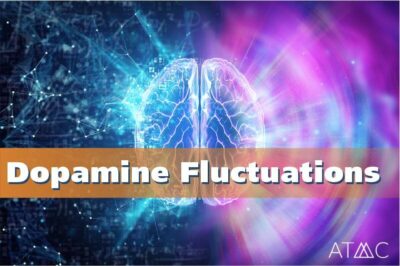 To compensate for this disruption, the body will begin to build new dopamine receptors in an attempt to remedy the dopamine starvation. Now when the drug is reduced or stopped, these receptors become unblocked and are voraciously “dopamine-hungry” and will begin attracting and aggressively pushing through all available dopamine, possibly resulting in mania, psychosis, and other changes that can be unpredictable and quite unsettling to both the person and those around them. Excess dopamine (an excitatory transmitter) is typically pointed to as a precursor for mania. In a person who has been on antipsychotics for a significant period of time, even a small amount of dopamine can have an exaggeratedly excitatory effect. That is why it is important to allow the body adequate time to adjust to these changes. It is always recommended to cut the dosage of a drug such as Seroquel extremely cautiously, while closely monitoring so that micro-adjustments can be made to help ensure the comfort of the person during the process.
You can learn more about other types of antipsychotics and how they affect dopamine and other types of neurotransmitters, by accessing many additional informative articles that are searchable here on the Alternative to Meds Center website, such as “Seroquel Withdrawal.”
for Seroquel Withdrawal Psychosis Help
1. Eli Lily sponsored research article from April 30, 2010, entitled ” Predictors and clinical consequences of non-adherence with antipsychotic medication in the outpatient treatment of schizophrenia” US National Library of Medicine [accessed online 2019 Nov 29].
2. “Quetiapine Fumarate – Drug Usage Statistics” [accessed online 2019 Nov 29].
3. “Full Disclosure Needed About Psychiatric Drugs that Shorten Life” (Captan) Psychology Today, 2011 Sep [accessed online 2019 Nov 29].
4. Joukmaa, M.; Heliovaara, M.; Knekt, P.; Aromaa, A.; Raitasalo, R.; & Lehtinen, V. “Schizophrenia, neuroleptic medication and mortality” British Journal of Psychiatry, 2006 Feb [accessed online 2019 Nov 29].
5. FDA Label: Highlights of Prescribing Information Seroquel (quetiapine fumarate) Dosage Administration Instructions [accessed online 2019 Nov 29].
Originally Published Dec 5, 2019 by Lyle Murphy, Founder
Dr. John Motl, M.D.
Dr. Motl is currently certified by the American Board of Psychiatry and Neurology in Psychiatry, and Board eligible in Neurology and licensed in the state of Arizona. He holds a Bachelor of Science degree with a major in biology and minors in chemistry and philosophy. He graduated from Creighton University School of Medicine with a Doctor of Medicine. Dr. Motl has studied Medical Acupuncture at the Colorado School of Traditional Chinese Medicine and at U.C.L.A.
Social Profile: LinkedIn
Lyle Murphy is the founder of the Alternative to Meds Center, a licensed residential program that helps people overcome dependence on psychiatric medication and addiction issues using holistic and psychotherapeutic methods.