
Alternative to Meds Editorial Team
Medically Reviewed by Dr John Motl MD
Table of Contents:
Alternative to Meds Center provides holistic residential mental health and addiction treatment in a pristine, ultra-comfortable facility nestled near the famous Red Rocks surrounding Sedona, Arizona.
Methods Used in Residential Mental Health Treatment
 Many of our clients are seeking assistance with not only tapering off medications but want to reduce and eliminate their unwanted symptoms. The center aims to achieve successful outcomes by including testing for the root causes of symptoms that led to the prescribing of medications in the first place. This, along with daily monitoring and collaboratively moving through the program at a tolerable pace, constitutes a more complete, sustainable recovery. Inpatient treatment gives freedom from distractions from successfully moving through the steps of the program. By naturally eliminating symptoms, by default, it also eliminates the need to mask or suppress such discomforts with drugs.
Removing Toxic Load
For instance, anxiety, insomnia or depression are typically linked to the presence of toxic accumulations in the body. In this case, the toxic load is purged gently and effectively to remove these biophysical triggers.
Education on nutrition and biochemistry helps arm the client with what is needed to sustain and support neurochemical health while in the program, and after the client returns home.
Diet — Mental Health and Addiction Recovery
Medications that were previously chosen to alleviate unwanted symptoms can be gently weaned off within an individualized program of steps given to the client. Each step is designed to assist the client’s health goals. A prime example is the correction of diet. Diet is fundamentally important including providing required supplements (found lacking or needed via testing) that will accelerate the normalizing of neurochemistry in the body.1,2,4
Sugars, stimulants, chemical preservatives, etc., are avoided as these can significantly interfere with mental health recovery.
Psychotherapy in Residential Mental Health Treatment
Another proven element of recovery in mental health and addiction is the use of psychotherapy.3,5
Many genres of talk therapy such as CBT, stress management, peer support, grief counseling, and many other forms of psychotherapy are delivered at the center and are highly popular.
Physical Therapy
Another highly beneficial type of therapy is physical therapy in recovery. These options can provide increased stamina, energy, focus, confidence, and many other benefits. There are hundreds of easy walking trails nearby, allowing for stunning vistas that have to be seen to fully appreciate. Photo opportunities abound.
Physical activity also includes our Equine Assisted therapy. Anytime a person can get out in the sunshine, renders the added benefits of releasing natural healing endorphins, vitamins, and other biophysical factors that enhance real and authentic health.
Find Out More about Holistic Inpatient Treatment at Alternative to Meds Center
There is much to learn about our mental health programs and other holistic treatment protocols. We would be very happy to show you our independently reviewed and documented success rate. We invite you to call the center and inquire about our cutting edge, proven effective programs. In an environment of holistic residential mental health treatment, we want to help you successfully address your most precious health goals, or those of your loved one.
for Holistic Residential Mental Health Treatment
1. Adan RAH, van der Beek EM, Buitelaar JK, Cryan JF, Hebebrand J, Higgs S, Schellekens H, Dickson SL. Nutritional psychiatry: Towards improving mental health by what you eat. Eur Neuropsychopharmacol. 2019 Dec;29(12):1321-1332. doi: 10.1016/j.euroneuro.2019.10.011. Epub 2019 Nov 14. PMID: 31735529. [cited 2024 Jan 3]
2. Clay R, “The Link Between Food and Mental Health.” American Psychological Association [published online 2017 Sept] [cited 2024 Jan 3]
3. Nakao M, Shirotsuki K, Sugaya N. Cognitive-behavioral therapy for management of mental health and stress-related disorders: Recent advances in techniques and technologies. Biopsychosoc Med. 2021 Oct 3;15(1):16. doi: 10.1186/s13030-021-00219-w. PMID: 34602086; PMCID: PMC8489050. [cited 2024 Jan 3]
4. Mental Health Foundation “Diet and Mental Health.” [published online 2018 Oct] [cited 2024 Jan 3]
5. Chand SP, Kuckel DP, Huecker MR. Cognitive Behavior Therapy. [Updated 2023 May 23]. In: StatPearls [Internet]. Treasure Island (FL): StatPearls Publishing; 2023 Jan-. Available from: https://www.ncbi.nlm.nih.gov/books/NBK470241/ [cited 2024 Jan 3]
Originally Published Apr 14, 2020 by Diane Ridaeus
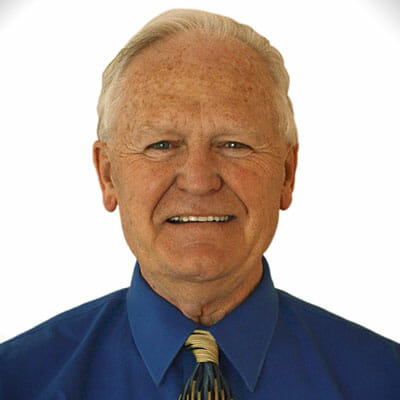
Dr. John Motl, M.D.
Dr. Motl is currently certified by the American Board of Psychiatry and Neurology in Psychiatry, and Board eligible in Neurology and licensed in the state of Arizona. He holds a Bachelor of Science degree with a major in biology and minors in chemistry and philosophy. He graduated from Creighton University School of Medicine with a Doctor of Medicine. Dr. Motl has studied Medical Acupuncture at the Colorado School of Traditional Chinese Medicine and at U.C.L.A.
Social Profile: LinkedIn
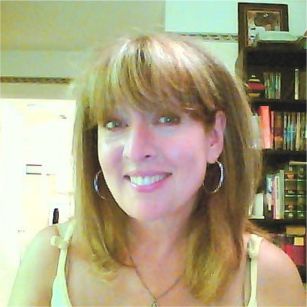
Diane is an avid supporter and researcher of natural mental health strategies. Diane received her medical writing and science communication certification through Stanford University and has published over 3 million words on the topics of holistic health, addiction, recovery, and alternative medicine. She has proudly worked with the Alternative to Meds Center since its inception and is grateful for the opportunity to help the founding members develop this world-class center that has helped so many thousands regain natural mental health.