


Alternative to Meds Editorial Team
Medically Reviewed by Dr John Motl MD
Table of Contents:
Understanding the health benefits of yoga and how to improve one’s mind, body, and soul is not common knowledge. A deeper exploration into the world of yoga reveals a practice that can offer something for everyone, no matter your history with working out or personal goals.
” “]
Benefits of yoga can include:
-
Improved flexibility
-
Improved balance
-
Stress reduction
-
Improved sleep
-
Balancing hormones
-
Improved immunity
Benefit 1: Improved Flexibility
The art of flexibility is not only about being able to touch your toes. Flexibility refers to the range of motion in your joints and the ability of your muscles to stretch. When you are flexible, your body can move freely and with less pain. The more flexible individual muscles are, the less likely they are to be injured. Finding ways to improve flexibility should be a goal for people of all ages to prevent some of life’s most prominent aches and pains that accompany age.
Yoga poses are specifically designed to stretch and lengthen your muscles. Every muscle in your body works from your head to your toes during a yoga session. As the muscle stretches, it becomes longer and stronger each time you revisit the pose. With regular practice, you’ll find that your range of motion gradually increases, allowing you to perform activities with greater ease.1 If you are initially discouraged by your lack of flexibility, know that this is one health benefit of yoga that takes time and patience to achieve.

Benefit 2: Improved Balance
Whether you are 16 or 60, improving your balance is integral to maintaining your health. Poor balance is a factor that can lead to falls and injuries, especially as you age. For example, walking down the stairs or getting up from a chair might become more difficult if you cannot maintain your balance. Even young, healthy adults can benefit, improving balance with yoga.
Yoga poses that require you to practice balancing on one foot or holding a challenging position for an extended period can help improve your sense of balance. These poses require you to engage your core muscles and focus on your breath, which helps to improve your sense of balance each time you practice both on and off the mat.
Benefit 3: Reduced Stress and Anxiety
For many people, bothersome forms of stress and anxiety are a daily part of life. If left unchecked, the onset of chronic stress can lead to serious health problems such as high blood pressure, heart disease, and obesity. Yoga may be the answer if you are looking for a way to reduce stress and anxiety.
Yoga works to reduce stress and anxiety by calming the nervous system. The deep breathing exercises that are often a part of every yoga session help to oxygenate the blood and clear your mind. The physical poses also work to release tension from the body, leaving you feeling relaxed and refreshed after each session. In addition, regular yoga practice can help increase your sense of self-awareness and overall well-being, which can reduce stress and anxiety in your daily life.
Benefit 4: Improved Sleep Quality
If you often find yourself tossing and turning at night and struggling to fall asleep, you’re not alone. Millions of people struggle with insomnia and other sleep disorders. The good news is that yoga can help to improve your sleep quality.

Yoga works to improve sleep quality by reducing stress and anxiety levels, two of the most common causes of insomnia. 2 In addition, the deep breathing exercises that you find in yoga sessions help to relax the body and prepare it for sleep. The physical poses also help release muscle tension, allowing you to sleep more soundly through the night. With regular practice, you’ll find that you can fall asleep more easily and sleep for longer periods.
Benefit 5: Balancing Hormones
As we age, the human body produces fewer hormones. This runs the risk of leading to various health problems such as hot flashes, night sweats, and weight gain. However, yoga can help balance hormone levels in your body.
Yoga helps reduce levels of cortisol, the stress hormone, in your body. It also helps to increase the levels of serotonin, the feel-good hormone. Adding positive hormones and reducing negative hormones can help improve your overall mood and sense of well-being. This intoxicating feeling can be habit-forming through the power of yoga.
Benefit 6: Improving Your Immunity
The health benefits of yoga also include boosting your immune system.3 When stressed, your body produces cortisol, weakening your immune system. Yoga helps to reduce the levels of cortisol in your body, and it also helps to increase the levels of white blood cells in your body. This means that your body can fight off infection and disease.
Yoga can also help to improve your circulation. This means that more oxygen and nutrients can reach your cells, which helps strengthen your immune system’s function.
Benefit 7: Reducing Inflammation
Inflammation is a significant cause of pain and disease. Yoga helps to reduce inflammation by increasing the levels of gamma-aminobutyric acid (GABA) in your body. GABA is a neurotransmitter that helps to inhibit the activity of neurons. This can help to reduce the sensation of pain and the inflammation that is associated with it.
Yoga can also help to improve the function of your digestive system. This can help to reduce the inflammation that is associated with conditions such as Crohn’s disease, ulcerative colitis, and Irritable Bowel Syndrome. When you practice yoga regularly, you can help to reduce the symptoms of these conditions and improve your overall health.
Benefit 8: Improving Your Cardiovascular Health
The health benefits of yoga also include improving your cardiovascular health. Yoga helps to lower your blood pressure and improve your heart rate. It also helps to improve the function of your arteries and veins. This can help to reduce your risk of heart disease, stroke, and other cardiovascular problems.
Benefit 9: Energy Levels
If you find yourself feeling tired and sluggish throughout your day, practicing yoga can help to increase your energy levels. The deep breathing exercises found in many yoga sessions help to oxygenate your blood. This can help to improve your circulation and give you more energy.
Yoga can also help to improve your muscle strength and flexibility. This can help you to move more easily and with less effort. When your muscles are stronger and more flexible, you’ll find that you have more energy to do the things you enjoy in life.
Benefit 10: Improving Your Mental Health

Yoga can help improve overall mental health in a number of ways. First, it can help you learn to focus and control your thoughts. This can be helpful if depression or anxiety has your mind racing constantly. Entering a yoga studio or performing the exercise at home will distract you from your thoughts and give you a moment to focus on your body and breath. It may not seem like much, but this can be very helpful in managing your mental health.
In addition, yoga can help improve your mood and reduce stress. The deep breathing exercises that are a part of yoga can help to relax your mind and body, and physical activity can release endorphins that improve your mood. Yoga can also help you to learn how to better manage stress, which can lead to improved mental health overall.
Common Yoga Poses and Their Benefits
Yoga is very popular and widely practiced with many forms and exercise movements to build numerous health benefits. There are many different common yoga poses that can be used to turn those benefits into overall wellbeing. Each of these poses has specific purpose to help improve your physical and mental health by leaps and bounds.
Some common yoga poses and their benefits include:

Child’s Pose
This pose is considered to be calming and relaxing, and it can help to relieve stress and tension in the body. It can also help to improve flexibility, circulation, and digestion.
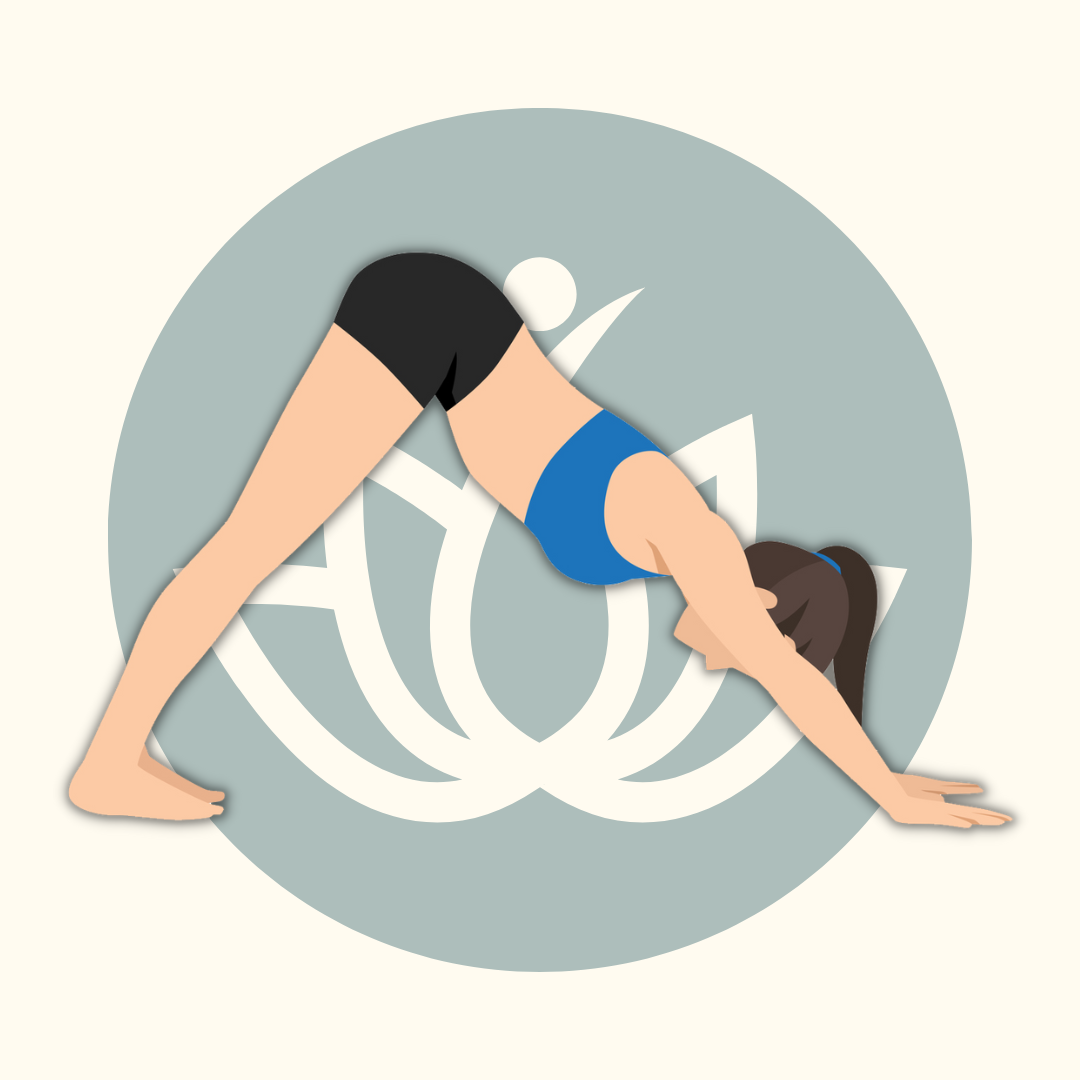
Downward Facing Dog
This pose strengthens the arms, legs, wrists, shoulders, and core, benefitting the whole body by boosting both physical and mental strength. Additionally, it can help to reduce inflammation in the body.
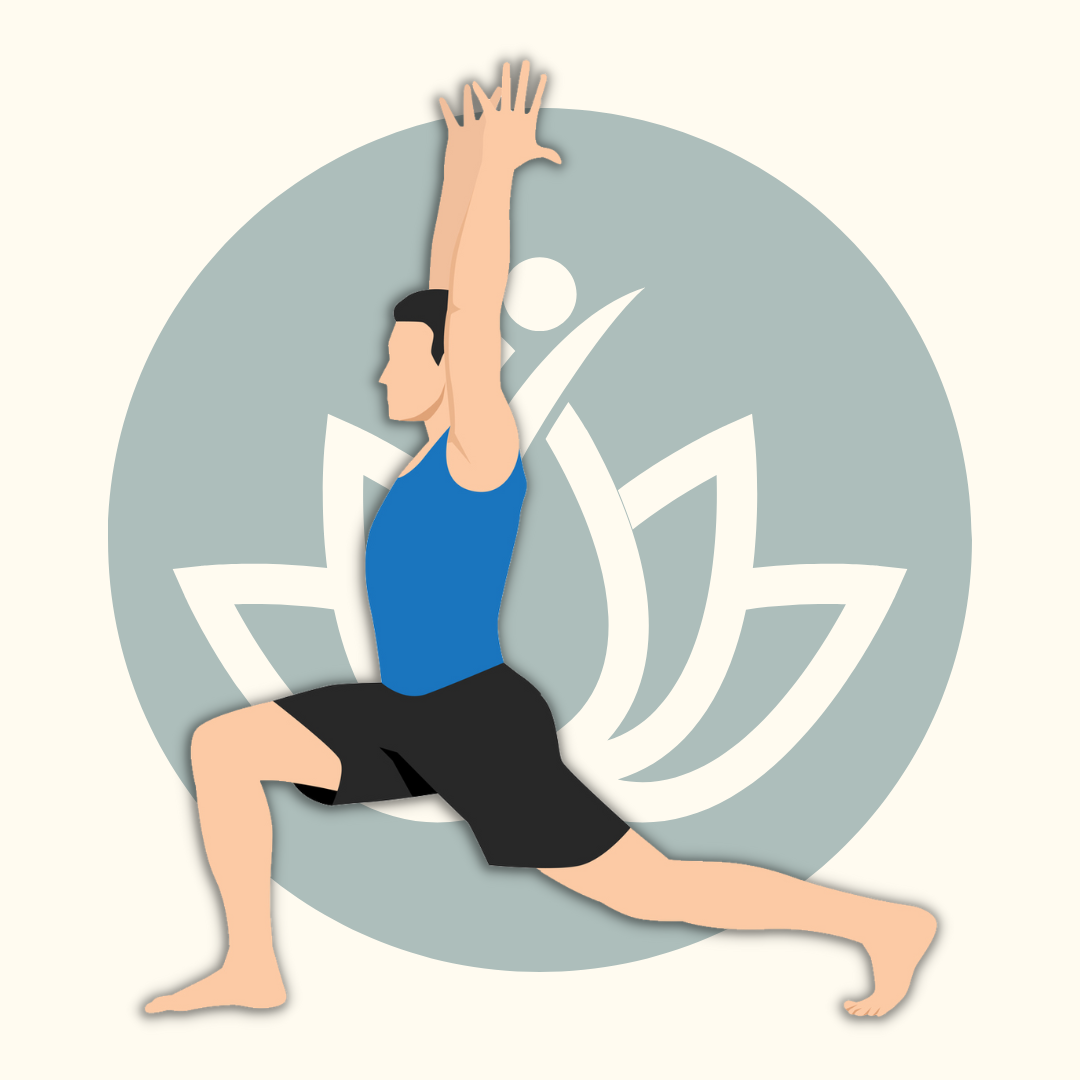
Warrior 1 Pose
This pose helps to build strength in the legs and lower body while stretching the entire body from head to toe. It is also known for its ability to boost energy levels and promote feelings of calmness and focus.
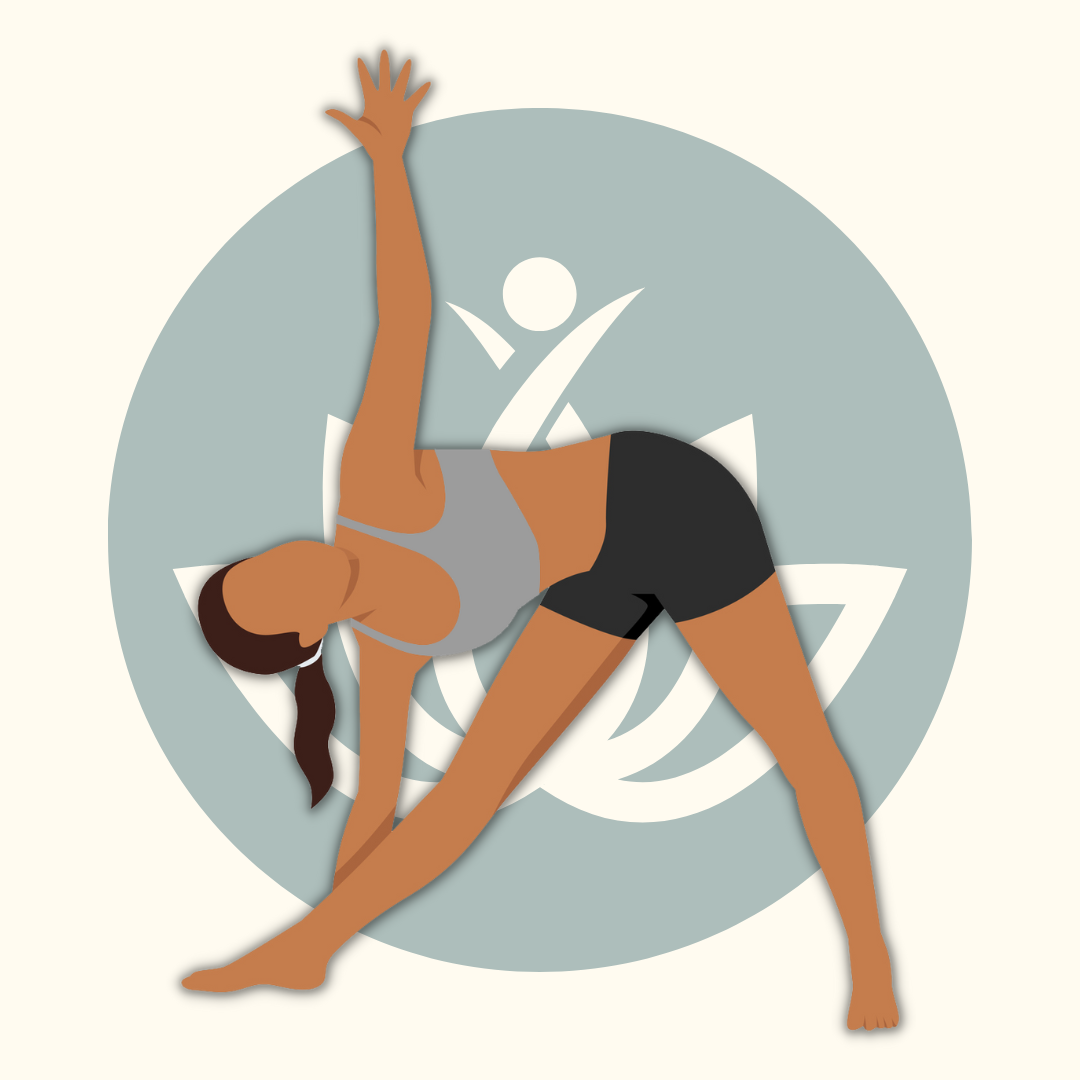
Triangle Pose
Practicing Triangle Pose will stretch your spine, back muscles and ankles. It also stretches the hamstrings, calves, wrists, chest, shoulders, neck, hips, groins, abdomen and throat which helps reduce stress levels tremendously!
Tips For Beginner Yogis

If you’re new to yoga, there are a few things you can do to make sure you have a positive experience and set yourself up for success, so you can continue reaping the benefits of yoga:
First, it’s important to find a class that is right for your level. If you’re a beginner, look for a beginner’s class or a gentle yoga class. These classes will teach you the basic poses and help you to get comfortable with the practice. Don’t be afraid to ask for any modifications to the poses you may need to keep you safe and comfortable.
Also, listen to your body, and go at your own pace. Yoga is not a competition. There is no need for unnecessary pressure to push yourself and do a pose that doesn’t feel comfortable. If you need to take a break, rest in child’s pose, or take a few deep breaths. Everyone in the class was once in your shoes, so don’t be afraid of appearing “new.”
Finally, don’t forget to breathe. Deep breathing is a very common activity in yoga and it can help to calm your mind and body. If you find yourself experiencing tension or feeling frustrated, take a few deep breaths and focus on your breathing. This will help you to relax and to refocus your attention.
Yoga is the perfect solution if you’re looking for a way to improve your mind, body, and soul. It has countless health benefits, from improved flexibility and balance to reduced stress and anxiety levels. Additionally, with regular practice, you’ll find that you sleep better, feel better, and look better. It’s time to stop waiting around and learn more about what it’s like to get on the mat and start your own yoga journey today.
for Health Benefits of Yoga
Sources:
1. Innes, K. E., & Vincent, H. K. (2007). The influence of yoga-based programs on risk profiles in adults with type 2 diabetes mellitus: a systematic review. Evidence-Based Complementary and Alternative Medicine, 4(4), 469-486. https://doi.org/10.1093/ecam/nel103
2. Chen, K. M., Chen, M. H., Lin, M. H., Fan, J. T., Lin, H. S., & Li, C. H. (2010). Effects of yoga on sleep quality and depression in elders in assisted living facilities. Journal of Nursing Research, 18(1), 53-61. DOI 10.1097/JNR.0b013e3181ce5189 https://journals.lww.com/jnr-twna/fulltext/2010/03000/Effects_of_Yoga_on_Sleep_Quality_and_Depression_in.9.aspx
3. Arora S, Bhattacharjee J. Modulation of immune responses in stress by Yoga. Int J Yoga. 2008 Jul;1(2):45-55. doi: 10.4103/0973-6131.43541. PMID: 21829284; PMCID: PMC3144610. https://www.ncbi.nlm.nih.gov/pmc/articles/PMC3144610/
Originally Published Sept. 27, 2022 by Diane Ridaeus

Dr. John Motl, M.D.
Dr. Motl is currently certified by the American Board of Psychiatry and Neurology in Psychiatry, and Board eligible in Neurology and licensed in the state of Arizona. He holds a Bachelor of Science degree with a major in biology and minors in chemistry and philosophy. He graduated from Creighton University School of Medicine with a Doctor of Medicine. Dr. Motl has studied Medical Acupuncture at the Colorado School of Traditional Chinese Medicine and at U.C.L.A.
Social Profile: LinkedIn

Lyle Murphy is the founder of the Alternative to Meds Center, a licensed residential program that helps people overcome dependence on psychiatric medication and addiction issues using holistic and psychotherapeutic methods.