
Choosing the right level of care · Sedona, Arizona
Is residential treatment right for me?
Residential care makes the most sense when medication changes, withdrawal, or substance use are hard to manage safely between appointments. For many people outpatient care is enough. This page will help you tell the difference.
Talk to admissions privately
Not sure which level of care fits? Tell us a little and we’ll call you back.
Signs residential care may fit
Residential treatment is often the safer choice if…
You don’t need every item on this list. If two or three sound familiar, it’s worth a conversation.
- You take more than one psychiatric medication
- You’ve tried to taper before and withdrawal was too hard to get through
- Withdrawal has been severe, or symptoms have lasted a long time
- You’re dealing with medication dependence and alcohol or drug use together
- Home isn’t a safe or steady place to go through withdrawal
- Your prescriber isn’t sure how to help you come off safely
- You want medical support every day, not just at appointments
Medication and substance use together? Read about our dual diagnosis program.
An honest answer
When outpatient care may be enough
Residential care is a big step, with time away from home and work. Outpatient tapering with a prescriber is a reasonable place to start for many people, especially when:
- You take a single medication and past dose changes went smoothly
- You have a prescriber who knows tapering, sees you regularly, and slows down when needed
- Home is stable, and someone close to you knows what you’re going through
- You can keep up with work and family while symptoms stay manageable
- Alcohol or drug use isn’t part of the picture
Whatever setting you choose, never stop a psychiatric medication abruptly. Make changes with a prescriber who knows your history.
Still not sure?
Talk it through with admissions. Free, confidential, no obligation.
What residential care adds
Support between the appointments
The biggest difference is what happens on the hard days. In a residential program, help is down the hall.
Daily monitoring
Medical and nursing teams watch your sleep, mood, and symptoms and adjust the plan as clinically indicated.
Planned dose steps
Our medical team plans each dose step, using half tablets or liquid preparations as needed.
Help when withdrawal hits
Staff are on site 24/7, so you’re never managing a hard night alone.
Looking for root causes
Lab testing, nutrition, and neurotransmitter support work alongside the taper.
Counseling every week
Individual therapy each week, plus groups such as CBT, DBT, and EMDR.
Time away from daily stress
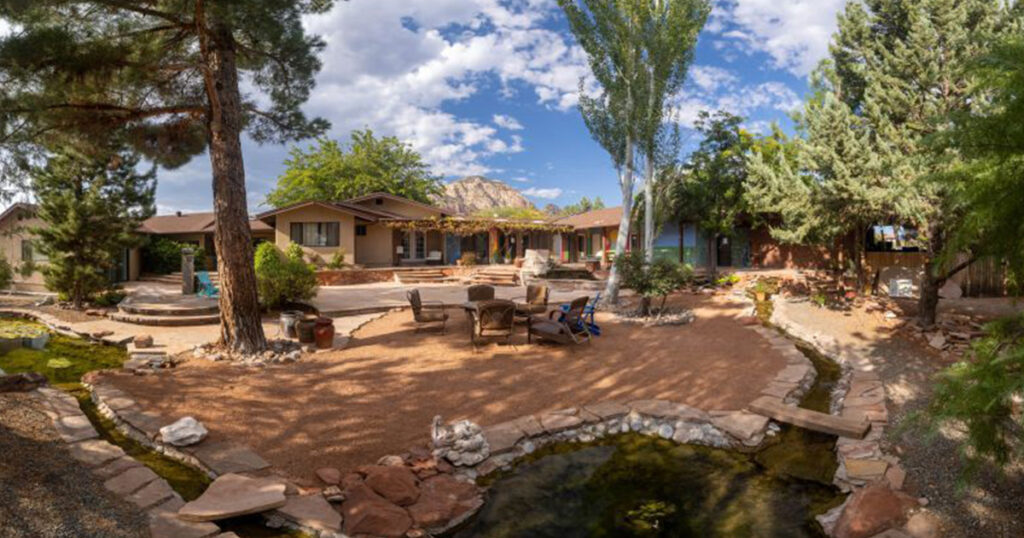
A calm residence in Sedona, with people who understand what you’re going through.
How our team runs a taper
Every taper is individualized. Some people move faster and others need to go slower, and both are fine. Learn more on our inpatient medication tapering page.
“Our medical and nursing teams collaborate closely to monitor each client’s tapering plan, assess progress, and make adjustments as clinically indicated. The team regularly evaluates symptoms, sleep patterns, mood, and overall well-being to support a safe and individualized process.”
Kimberli Galloway, PMHNP-BC, Medical Director · View bio
Things to weigh
Four things to think through
These are the same things our admissions team will ask about.
Your medications
How many you take, the doses, and how long you’ve taken them. Several medications at once usually call for closer supervision.
What happened before
If an earlier taper stalled or withdrawal became too hard, that history matters more than any checklist.
Support at home
Who is around you, how stressful daily life is, and whether home is a safe place to feel unwell for a while.
Alcohol and drugs
If substance use is part of the picture, treating both together is usually the better plan.
If you choose residential care
What a stay at ATMC looks like
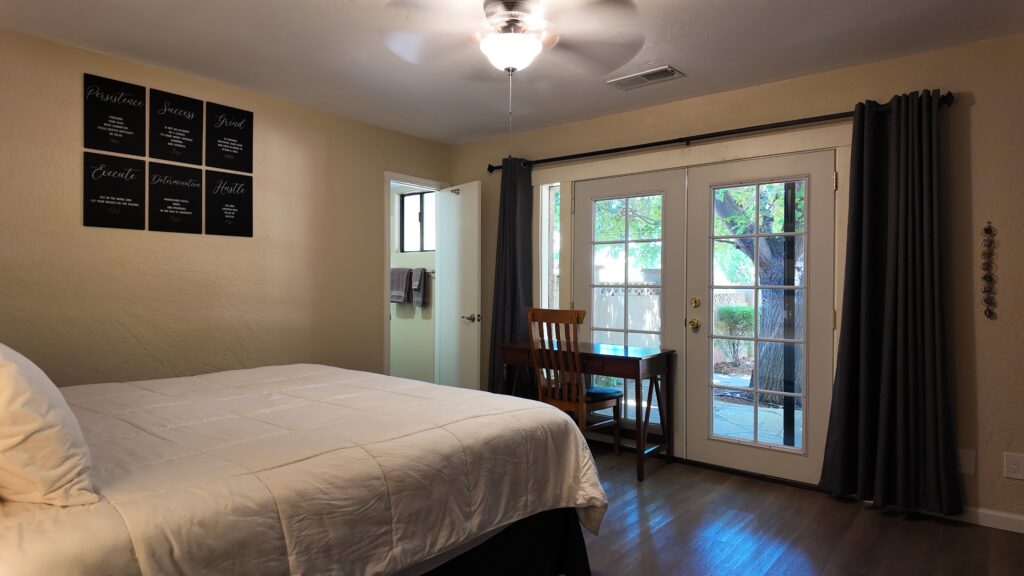
You live at our residence in Sedona, Arizona for about 60 days on average. We accommodate up to 18 residents, with shared and private rooms.
Each week you meet with your therapist, the medical director and nursing team, a naturopathic doctor, and your care manager. You don’t have to commit to being medication-free, and family contact is encouraged.
Before you go home, we build a detailed aftercare plan with you and can work with your own doctor or help you find one locally.
ATMC is a residential program, not a hospital or crisis service. If you are thinking about harming yourself, call or text 988, or go to the nearest emergency room.
Client stories
In their own words
“I was reluctant to admit that I couldn’t titrate off these four pharma meds on my own. My kids had to talk me into coming here.”MG, former client →
“Having failed prior treatment attempts, I was unsure if or how ATMC could be different. I didn’t think it was possible to taper off my meds.”Daniel, former client →
Quotations from ATMC’s published client testimonials. Individual results vary. Read more stories.
Keep reading
Our programs and guides
Learn more about each part of care at ATMC.
Questions
Frequently asked questions
How do I know if I need residential treatment?
Residential care is worth considering if you take several psychiatric medications, have tried to taper before and found withdrawal too hard, have severe or long-lasting withdrawal, or are dealing with alcohol or drug use as well. Talking it through with admissions is free and confidential, with no obligation.
Is outpatient tapering safe?
Many people taper with their prescriber as outpatients. It tends to go best with a prescriber who sees you regularly and adjusts the pace when withdrawal shows up. The risks are dose changes without close monitoring and withdrawal you manage alone. Never stop a medication abruptly.
How long is a residential stay at ATMC?
Programs average about 60 days, and longer stays can be arranged. The pace is set by how you respond, not by a calendar.
Do I have to come off all of my medications?
No. Some people want to reduce one medication and keep another, and for some the lowest workable dose is the right goal for now. Your goals guide the plan, and medication decisions are made with you.
Can my family stay in touch while I’m there?
Yes. Connection with the people you love is part of getting well, and we encourage family and friend contact in all reasonable cases.
Does insurance cover residential treatment?
Coverage varies. Our admissions team can review your benefits privately before you decide.
Is ATMC a psychiatric hospital?
No. ATMC is a residential program in a comfortable, home-like setting rather than a hospital. If you are in crisis, call or text 988 or go to the nearest emergency room.
Talk it through with someone who knows
A free, confidential conversation with our admissions team about whether residential care fits. No obligation.